

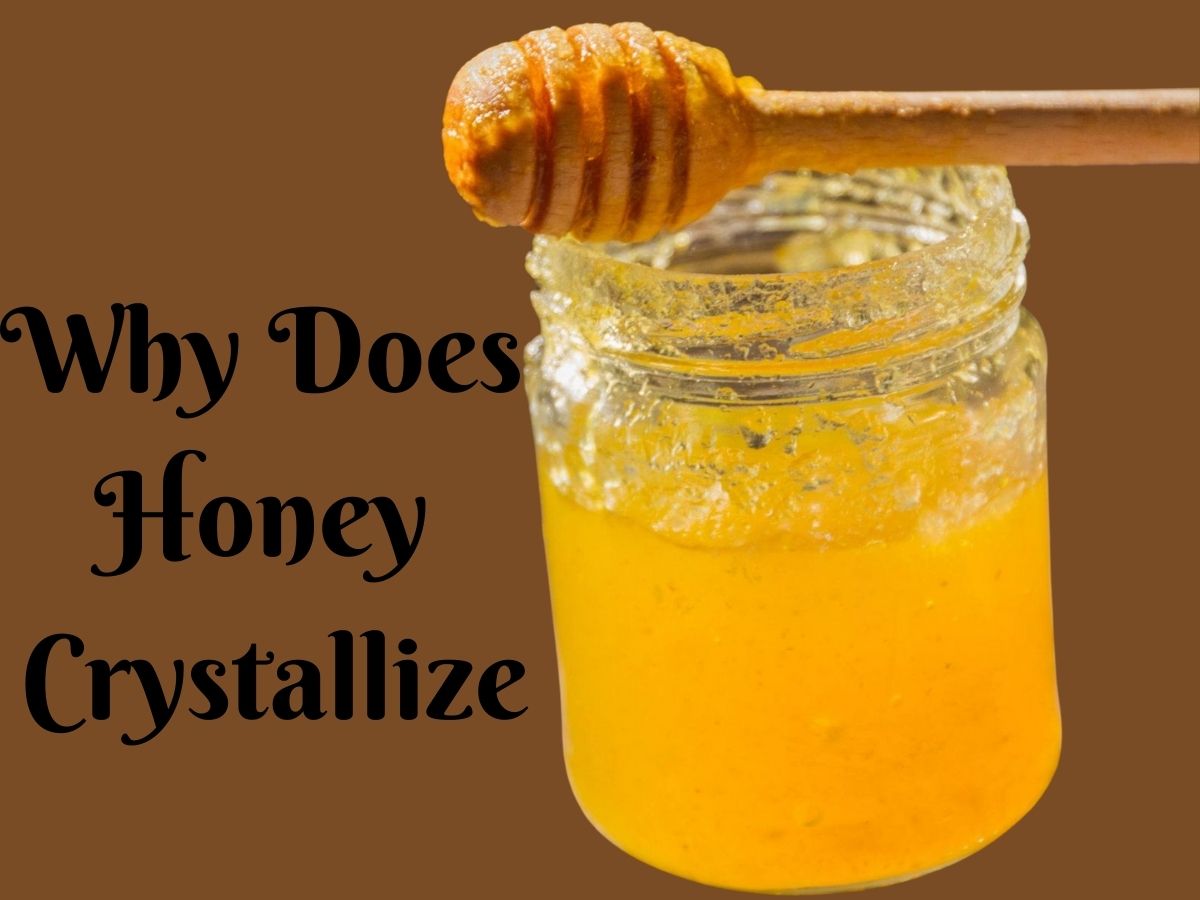
Have you ever opened your honey jar only to find it’s turned thick, grainy, and cloudy? Don’t worry your honey hasn’t gone bad. Crystallization is a natural process that happens to pure, raw honey, and understanding why it occurs can help you appreciate this golden sweetener even more.
What Is Honey Crystallization?
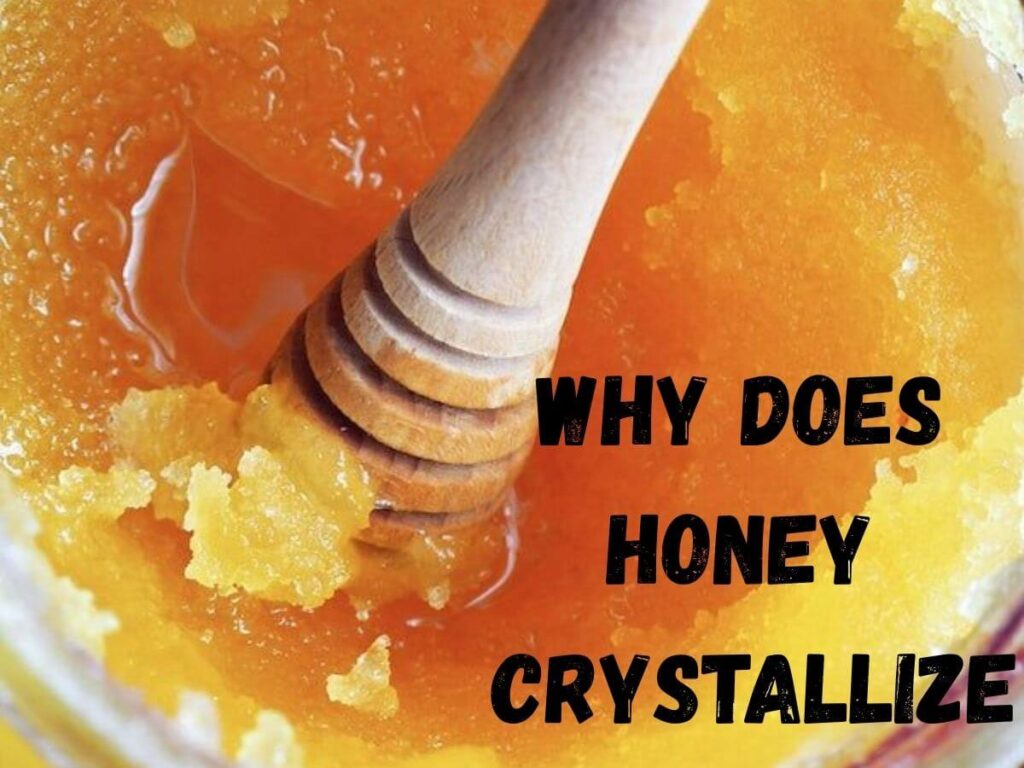
Honey crystallization is the natural process where liquid honey transforms into a semi-solid state with a granular texture. This happens when glucose, one of the main sugars in honey, separates from the water and forms crystals. The result is honey that looks cloudy or white and feels grainy on your tongue.
Many people mistakenly think crystallized honey is spoiled or fake, but the opposite is true. Crystallization is actually a sign of pure, high-quality honey that hasn’t been overly processed.
Why Does Honey Crystallize?
Understanding the science behind crystallization helps explain why this happens to some honey faster than others. Honey is a supersaturated sugar solution, meaning it contains more sugar than the water can hold in liquid form. This unstable state makes crystallization inevitable over time.
Several factors influence how quickly honey crystallizes:
Sugar Composition: Honey contains two primary sugars glucose and fructose. Honey with higher glucose content crystallizes faster because glucose is less soluble in water and more prone to forming crystals. Different flower sources produce honey with varying glucose-to-fructose ratios, which is why clover honey crystallizes quickly while acacia honey stays liquid for years.
Temperature: Honey crystallizes fastest at temperatures between 50 and 60 degrees Fahrenheit. This is why honey stored in cool pantries or during winter months tends to crystallize more quickly. Interestingly, honey stored at room temperature or in warmer conditions remains liquid longer.
Pollen and Particles: Raw, unfiltered honey contains tiny particles like pollen grains, propolis, and beeswax. These particles act as nucleation points where crystals begin to form. While this means raw honey crystallizes faster, it also indicates the honey retains more beneficial nutrients and enzymes.
Water Content: Honey with lower moisture content crystallizes faster. Quality honey typically contains less than 18% water, and the less water present, the more concentrated the sugars become, speeding up crystallization.
Does Real Pure Honey Crystallize?
Yes, absolutely. Real, pure honey crystallizes naturally. In fact, crystallization is often considered proof of authentic, unprocessed honey. If your honey has crystallized, it’s a good sign that you’re enjoying the real deal.
Fake or adulterated honey that’s been mixed with corn syrup or other sweeteners typically doesn’t crystallize because these additives interfere with the natural crystallization process. Some commercial honey is ultra-filtered and heat-treated to prevent crystallization and maintain a clear appearance on store shelves, but this processing removes beneficial pollen, enzymes, and nutrients.
Different honey varieties crystallize at different rates. Clover, lavender, and dandelion honey crystallize quickly, sometimes within weeks. Meanwhile, acacia, tupelo, and sage honey can remain liquid for years due to their higher fructose content.
Does Honey Crystallize at Room Temperature?
Honey can crystallize at room temperature, though it happens more slowly than in cooler conditions. Room temperature typically falls between 68 and 72 degrees Fahrenheit, which is above the optimal crystallization range of 50 to 60 degrees.
However, even at room temperature, honey will eventually crystallize given enough time. The process might take several months or even years depending on the honey’s floral source and processing level. Storing honey in a consistently warm environment slows crystallization but doesn’t prevent it entirely.
Why Does Honey Crystallize on Bread?
When you spread honey on bread, you might notice it crystallizes or becomes grainy much faster than honey in the jar. This happens because bread absorbs moisture from the honey, concentrating the sugars at the surface. This increased sugar concentration accelerates crystal formation.
Additionally, the porous texture of bread provides countless nucleation sites where crystals can form. The temperature of fresh bread can also play a role warm bread initially melts honey, but as it cools, the moisture redistribution encourages crystallization.
To prevent this, you can slightly warm your honey before spreading, or choose honey varieties with higher fructose content that resist crystallization.
Is It Safe to Eat Crystallized Honey?
Crystallized honey is completely safe to eat and retains all the nutritional benefits of liquid honey. The crystallization process doesn’t affect honey’s quality, flavor, or health properties. In fact, some people prefer the spreadable texture and less messy consistency of crystallized honey.
Honey is one of the few foods that never spoils due to its low moisture content and acidic pH. Archaeologists have found edible honey in ancient Egyptian tombs thousands of years old. Whether liquid or crystallized, properly stored honey remains safe indefinitely.
The texture might be different, but crystallized honey contains the same antioxidants, enzymes, vitamins, and minerals as liquid honey. You can eat it straight from the jar, spread it on toast, or stir it into beverages.
Is It Better to Decrystallize Honey or Eat It Crystallized?
This comes down to personal preference. Both forms offer the same nutritional value and health benefits.
Benefits of eating crystallized honey:
- Easier to spread on bread or toast without dripping
- Less messy for cooking and baking
- Convenient for portion control
- Natural texture some people prefer
- No risk of damaging beneficial enzymes with heat
Reasons to decrystallize honey:
- Better for mixing into beverages like tea or coffee
- Easier to measure for recipes
- Smoother texture preferred by many
- More aesthetically pleasing appearance
- Better for drizzling over foods
If you enjoy the granular texture and don’t mind the cloudy appearance, there’s no reason to decrystallize. However, if you need liquid honey for a specific use, decrystallization is simple and safe when done properly.
How to Decrystallize Honey
If you prefer liquid honey, you can easily reverse crystallization using gentle heat. The key is using low temperatures to avoid damaging the beneficial enzymes, vitamins, and antioxidants that make honey so healthy.
Water Bath Method (Recommended):
- Fill a pot with water and heat it to about 95-110 degrees Fahrenheit (not boiling)
- Remove from heat
- Place your honey jar in the warm water, ensuring the water level doesn’t exceed the jar’s lid
- Let it sit for 15-20 minutes, stirring occasionally
- Repeat if necessary until all crystals dissolve
- Remove and let cool to room temperature
Microwave Method (Use with Caution):
- Transfer honey to a microwave-safe container
- Heat on medium power for 30 seconds
- Stir well
- Repeat in 30-second intervals, stirring between each
- Stop when crystals dissolve
The water bath method is preferred because it provides gentle, even heating that preserves honey’s natural properties. Excessive heat above 140 degrees Fahrenheit can destroy beneficial enzymes and alter honey’s flavor.
Delicious Recipes Using Honey: Sweet and Savory Creations
Honey is one of the most versatile natural sweeteners in the kitchen, adding depth, moisture, and complex flavor to countless dishes. Whether you’re baking, cooking, or making beverages, honey elevates recipes with its unique taste and natural properties. Here are some delicious ways to use honey in your cooking.
Breakfast Recipes with Honey
Honey Oatmeal with Fresh Fruits
Start your morning with a warm, comforting bowl of honey-sweetened oatmeal. Cook rolled oats with milk or water, then stir in a generous drizzle of honey, fresh berries, sliced bananas, and a sprinkle of cinnamon. The honey adds natural sweetness while helping the flavors meld together beautifully.
Greek Yogurt Honey Parfait
Layer thick Greek yogurt with honey, granola, fresh berries, and chopped nuts for a protein-packed breakfast. The honey provides sweetness without the processed sugar found in flavored yogurts. Add a final drizzle on top for extra indulgence.
Honey Whole Wheat Pancakes
Make fluffy pancakes by mixing whole wheat flour, eggs, milk, baking powder, and honey. The honey adds moisture and a subtle floral sweetness that complements the nutty flavor of whole wheat. Serve with butter and an extra drizzle of warm honey instead of syrup.
Honey Almond Butter Toast
Spread almond or peanut butter on whole grain toast, drizzle with honey, and top with sliced bananas or strawberries. Add a sprinkle of chia seeds or hemp hearts for extra nutrition. This simple combination creates the perfect balance of protein, healthy fats, and natural sweetness.
Honey Beverages
Honey Lemon Tea
This classic remedy is both soothing and delicious. Steep your favorite tea, add fresh lemon juice and a spoonful of honey. The honey dissolves beautifully in hot liquid and provides throat-coating comfort. Perfect for cold days or when you’re feeling under the weather.
Honey Ginger Lemonade
Combine fresh lemon juice, grated ginger, honey, and cold water for a refreshing beverage. The honey balances the tartness of lemon and the spiciness of ginger. Serve over ice with fresh mint leaves for a sophisticated homemade drink.
Golden Milk (Turmeric Honey Latte)
Heat milk with turmeric, cinnamon, ginger, and black pepper, then sweeten with honey. This anti-inflammatory beverage has become popular for its health benefits and comforting flavor. The honey mellows the earthy taste of turmeric while adding natural sweetness.
Honey Smoothies
Blend frozen fruits, yogurt, milk or juice, and honey for naturally sweetened smoothies. Try combinations like strawberry-banana, mixed berry, or mango-pineapple. The honey helps emulsify ingredients and adds depth to fruit flavors.
Salad Dressings and Marinades
Honey Balsamic Vinaigrette
Whisk together balsamic vinegar, olive oil, Dijon mustard, honey, salt, and pepper for a versatile salad dressing. The honey balances the vinegar’s acidity and helps the dressing cling to greens. This works beautifully on mixed greens, roasted vegetables, or grain salads.
Honey Mustard Dressing
Combine Dijon mustard, honey, apple cider vinegar, olive oil, and a pinch of garlic powder. This tangy-sweet dressing works on salads, as a sandwich spread, or as a dipping sauce for chicken tenders and vegetables.
Honey Soy Marinade
Mix honey, soy sauce, minced garlic, grated ginger, and sesame oil for an Asian-inspired marinade. Use it for chicken, salmon, pork, or tofu. The honey caramelizes beautifully during cooking, creating a gorgeous glaze with deep flavor.
Honey Lime Cilantro Dressing
Blend honey, fresh lime juice, cilantro, olive oil, garlic, and a jalapeño for a zesty dressing perfect for taco salads, grilled chicken, or fish tacos. The honey tames the heat and brings all the bright flavors together.
Main Course Recipes
Honey Garlic Chicken
Sauté chicken breasts or thighs, then create a quick pan sauce with honey, soy sauce, minced garlic, and a splash of chicken broth. The honey creates a sticky, caramelized coating that’s irresistibly savory-sweet. Serve over rice with steamed vegetables.
Honey Glazed Salmon
Brush salmon fillets with a mixture of honey, Dijon mustard, lemon juice, and garlic before baking or grilling. The honey forms a beautiful caramelized crust while keeping the fish moist inside. This elegant dish comes together in under 20 minutes.
Honey Roasted Vegetables
Toss carrots, sweet potatoes, Brussels sprouts, or butternut squash with olive oil, honey, salt, and pepper before roasting at high heat. The honey caramelizes the vegetables’ natural sugars, creating crispy, sweet edges with tender interiors.
Honey Mustard Pork Chops
Pan-sear pork chops, then finish them in the oven with a honey mustard glaze made from whole grain mustard, honey, apple cider vinegar, and fresh thyme. The result is juicy chops with a tangy-sweet coating that pairs perfectly with roasted potatoes.
Variations on Honey Glazed Gammon
Honey Mustard Gammon: Increase the mustard in your glaze for a tangier version. Use a combination of Dijon and whole grain mustard for complexity.
Orange Honey Glaze: Replace the vinegar with fresh orange juice and add orange zest to the glaze. The citrus brightens the dish and pairs wonderfully with gammon.
Maple Honey Gammon: Combine honey with maple syrup for a deeper, more complex sweetness. Add a pinch of smoked paprika for extra depth.
Spiced Honey Glaze: Add warming spices like cinnamon, cloves, ginger, or star anise to your glaze for a festive twist perfect for holiday meals.
Honey Bourbon Glaze: Add a tablespoon of bourbon to your glaze for adult flavor complexity. The alcohol cooks off, leaving rich, smoky-sweet notes.
Honey Balsamic Gammon: Use balsamic vinegar instead of apple cider vinegar for a more sophisticated, tangy-sweet glaze with deeper color.
Baking with Honey
Honey Whole Wheat Bread
Honey adds moisture, helps bread brown beautifully, and extends shelf life in homemade bread. Use it in whole wheat or multigrain loaves for a slightly sweet flavor that complements hearty grains. The honey also feeds the yeast, helping bread rise properly.
Honey Cornbread
Replace sugar with honey in cornbread recipes for a more complex sweetness with subtle floral notes. The honey keeps the cornbread moist for days and pairs wonderfully with chili, barbecue, or simply butter.
Honey Cookies
Make soft, chewy cookies using honey as part of the sweetener. Try honey oatmeal cookies, honey peanut butter cookies, or honey ginger snaps. Remember that honey adds moisture, so you may need slightly less liquid in your recipe.
Honey Cake
Traditional honey cake is moist, spiced, and perfect for special occasions. Combine honey with warm spices like cinnamon, ginger, and cloves, along with strong coffee for depth. This cake actually improves after a day or two as the honey keeps it incredibly moist.
Desserts and Sweet Treats
Honey Roasted Nuts
Toss almonds, pecans, or cashews with honey, cinnamon, and a pinch of salt, then roast until caramelized. These make excellent snacks, salad toppings, or homemade gifts. The honey coating becomes wonderfully crunchy as it cools.
Honey Ricotta Toast
Spread creamy ricotta cheese on toasted bread, drizzle generously with honey, and finish with a sprinkle of sea salt and cracked black pepper. Add fresh figs, berries, or a handful of arugula for a sweet-savory appetizer or light dessert.
Honey Grilled Peaches
Halve peaches, brush with honey, and grill until caramelized. Serve with vanilla ice cream or Greek yogurt for a simple summer dessert. The honey intensifies the peaches’ natural sweetness while adding complexity.
Honey Baklava
This classic Mediterranean dessert layers phyllo dough with chopped nuts and is drenched in honey syrup. The honey penetrates every layer, creating an incredibly sweet, sticky, and utterly delicious pastry that’s worth the effort.
Sauces and Condiments
Honey Barbecue Sauce
Make homemade BBQ sauce by simmering ketchup, honey, apple cider vinegar, Worcestershire sauce, smoked paprika, and garlic powder. The honey adds body and balances the tangy, smoky flavors perfectly.
Honey Sriracha Glaze
Combine honey with sriracha sauce for a sweet-spicy glaze that works on everything from wings to Brussels sprouts. Adjust the ratio based on your heat preference.
Honey Butter
Whip softened butter with honey and a pinch of salt for a spreadable treat. Use it on cornbread, biscuits, pancakes, or rolls. Add cinnamon for extra warmth.
Tips for Cooking with Honey
When substituting honey for sugar in recipes, use about three-quarters cup of honey for every cup of sugar, and reduce the liquid in the recipe by one-quarter cup. Honey is sweeter than sugar, so you can use less while achieving the same sweetness level.
Lower your oven temperature by 25 degrees Fahrenheit when baking with honey, as it browns more quickly than sugar. This prevents over-browning while ensuring proper cooking.
Honey never spoils, making it perfect for pantry staples like dressings and marinades that you can make in advance. Store honey-based sauces in the refrigerator for several weeks.
For savory dishes, darker honey varieties like buckwheat or chestnut add robust, almost molasses-like flavors, while lighter honeys like acacia or clover provide delicate sweetness that won’t overpower other ingredients.
Whether you’re drizzling it over breakfast, using it in marinades, baking it into bread, or creating show-stopping desserts, honey brings natural sweetness and incredible versatility to your kitchen. Experiment with different honey varieties to discover how floral sources affect flavor, and enjoy this ancient sweetener in both traditional and creative ways.
Will Honey Crystallize After Heating?
Yes, honey will eventually crystallize again after heating, though it may take longer than the first time. Heating dissolves the glucose crystals back into solution, but it doesn’t change honey’s fundamental composition. The supersaturated sugar solution remains unstable, so crystallization will occur again over time.
Each time you heat honey, you may slightly alter its properties. Repeated heating can darken honey’s color, change its flavor profile, and reduce enzyme activity. For this reason, it’s best to only decrystallize the amount you’ll use in the near future rather than repeatedly heating your entire supply.
Some commercial honey producers heat honey to very high temperatures during processing to delay crystallization for months or years. However, this destroys many of the beneficial compounds that make raw honey valuable.
How to Stop Honey from Crystallizing
While you can’t prevent crystallization entirely in pure honey, you can significantly slow the process with proper storage techniques.
Store at Optimal Temperature: Keep honey in a warm, consistent environment. Temperatures above 70 degrees Fahrenheit slow crystallization. Avoid storing honey in the refrigerator, as cold temperatures accelerate the process.
Use Airtight Containers: Moisture exposure can trigger crystallization. Always seal honey jars tightly after use to prevent humidity from entering.
Choose the Right Honey: If you prefer liquid honey, select varieties naturally high in fructose like acacia, tupelo, or sage honey. These resist crystallization much longer than varieties like clover or lavender.
Store in Glass Jars: Glass containers are ideal because they don’t absorb odors and are easy to warm for decrystallization. Plastic containers can retain moisture in microscopic pores.
Avoid Temperature Fluctuations: Don’t move honey between warm and cool locations repeatedly. Consistent temperature is key to maintaining liquid honey.
How to Stop Honey from Crystallizing Naturally
Beyond basic storage, these natural methods help keep honey liquid longer:
Add a Moisture Barrier: Placing plastic wrap directly on the honey surface before sealing the lid minimizes air exposure and moisture exchange.
Strain Thoroughly: While raw honey is nutritious, removing larger particles through fine straining reduces nucleation sites where crystals form. This doesn’t require industrial filtering that strips beneficial pollen.
Buy Fresh Honey: Newly harvested honey stays liquid longer. Ask local beekeepers when their honey was harvested.
Store in Small Portions: Keep most of your honey in storage and only open small jars for regular use. Unopened jars crystallize more slowly than frequently accessed ones.
Proper Handling: Always use clean, dry utensils when scooping honey. Introducing crumbs, moisture, or other particles can trigger crystallization.
The Bottom Line
Honey crystallization is a natural, inevitable process that doesn’t indicate spoilage or poor quality. In fact, crystallization is a hallmark of pure, authentic honey. Understanding why honey crystallizes helps you appreciate this remarkable natural sweetener and manage its texture according to your preferences.
Whether you enjoy the smooth spreadability of crystallized honey or prefer the liquid form, both offer identical nutritional benefits. With proper storage and gentle heating techniques, you can control crystallization while preserving honey’s valuable enzymes and nutrients.
The next time you discover crystallized honey in your pantry, remember you’re looking at proof of nature’s craftsmanship a pure, unprocessed food that has sustained humans for thousands of years. Embrace the crystals or gently warm them away, knowing your honey is exactly as nature intended.
Conclusion
Honey crystallization is one of nature’s most misunderstood processes. Far from being a sign of spoilage or inferior quality, crystallization confirms that you’re enjoying genuine, pure honey in its most natural form. This transformation from liquid gold to creamy crystals is simply the result of honey’s unique chemical composition a supersaturated sugar solution that naturally seeks a more stable state.
Throughout this guide, we’ve explored the fascinating science behind why honey crystallizes, from the role of glucose and temperature to the influence of pollen particles and floral sources. We’ve learned that different honey varieties behave differently, with some crystallizing within weeks while others remain liquid for years. We’ve also discovered that crystallized honey is not only safe to eat but offers practical advantages like easier spreading and less mess.
Whether you choose to embrace crystallized honey’s unique texture or prefer to gently decrystallize it using a warm water bath, the choice is yours. Both forms deliver the same exceptional nutritional benefits, including antioxidants, enzymes, vitamins, and minerals that have made honey a treasured food for millennia. The key is proper storage and gentle handling to preserve these valuable properties.
Remember, crystallization is actually a badge of authenticity. When you see those cloudy crystals forming in your jar, you’re witnessing proof that your honey hasn’t been overly processed or adulterated with additives. It’s a reminder that the best foods often come to us in their most natural, unrefined state.
So the next time you reach for your honey and find it crystallized, smile knowing you’ve got the real thing. Whether you spread it on warm toast, stir it into tea, or simply enjoy it by the spoonful, crystallized or liquid honey connects you to an ancient tradition of sweetness that transcends time. Embrace the crystals, understand the process, and savor every golden moment with this remarkable gift from the bees.