

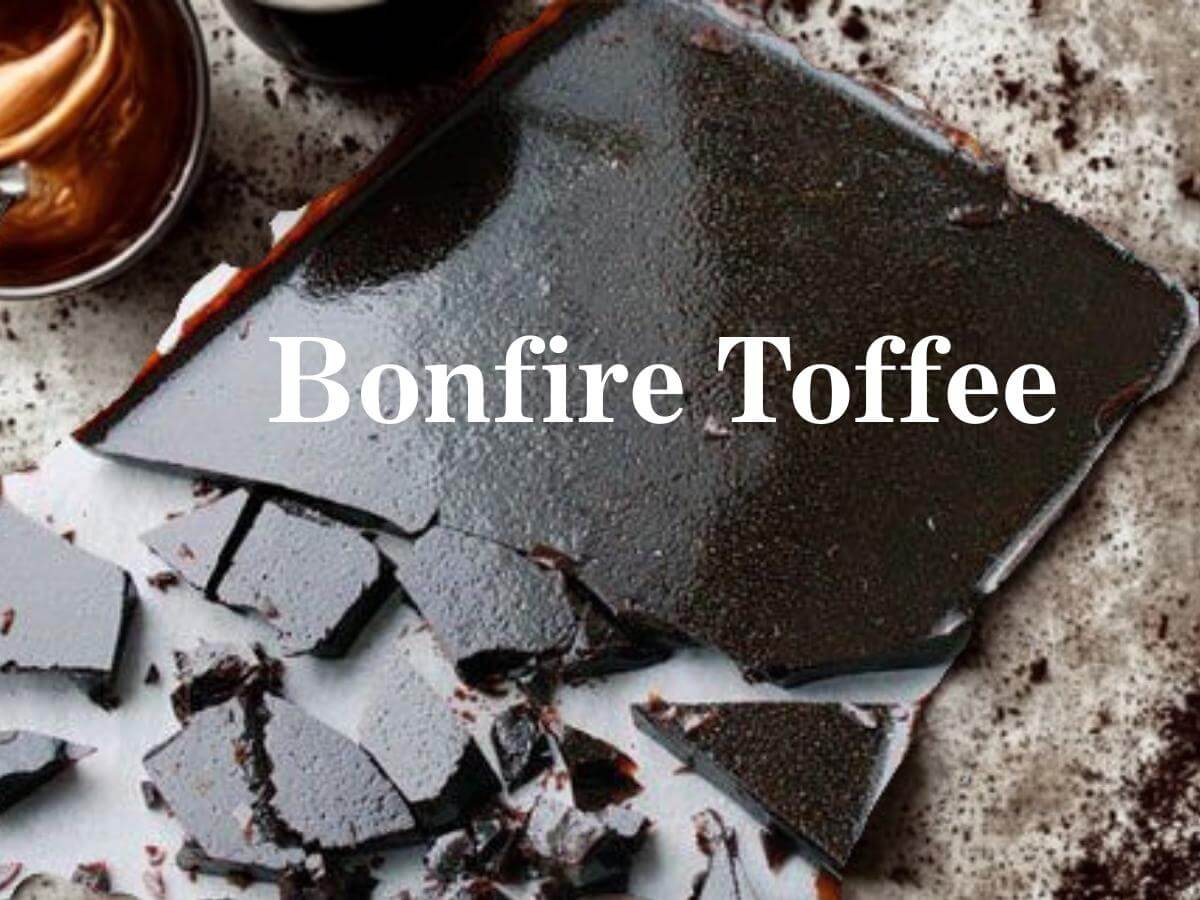
Bonfire toffee is a beloved British sweet that has graced autumn celebrations for generations. This dark, glossy confection is traditionally made for Guy Fawkes Night on November 5th, when families gather around bonfires across the UK. The distinctive snap and deep molasses flavor of bonfire toffee make it instantly recognizable and deeply nostalgic for anyone who grew up enjoying this treat.
Making bonfire toffee recipe at home is surprisingly straightforward. With just a few basic ingredients and careful attention to temperature, you can create this classic sweet in your own kitchen. The process involves cooking sugar, treacle, and butter to a precise temperature, resulting in a hard, brittle candy that breaks into satisfying shards.
This treacle toffee recipe uk style has been passed down through families and remains virtually unchanged over the decades. Whether you call it bonfire toffee or treacle toffee, the result is the same: a delicious homemade treat that captures the essence of British autumn traditions. you can also add it in your party menu for kids, they will love it.
What Is the Difference Between Bonfire Toffee and Treacle Toffee?
Before we begin, many people ask about the distinction between these two names. In truth, bonfire toffee and treacle toffee are the same thing. The term bonfire toffee comes from its strong association with Guy Fawkes Night celebrations, while treacle toffee simply describes the key ingredient that gives this sweet its characteristic dark color and rich flavor. Regional preferences across the UK determine which name is more commonly used, but the recipe and final product remain identical.
Recipe Overview
| Preparation Time | 10 minutes |
| Cooking Time | 20-25 minutes |
| Cooling Time | 2-3 hours |
| Total Time | Approximately 3 hours |
| Yield | About 500g of toffee (approximately 30-40 pieces) |
| Difficulty Level | Intermediate |
This easy treacle/ bonfire toffee recipe requires attention to detail, particularly when monitoring temperature, but the steps themselves are simple. The key to success lies in patience and precision during the cooking process.
What Do You Need to Make Bonfire Toffee?
Ingredients
- 450g granulated sugar
- 225g golden syrup
- 110g black treacle
- 110g unsalted butter
- 2 tablespoons water
- 1 tablespoon white vinegar or lemon juice
Equipment
- Heavy-based saucepan (at least 2 liters capacity)
- Sugar thermometer
- 20cm square baking tin
- Parchment paper
- Wooden spoon
- Pastry brush
- Toffee hammer or heavy knife handle
Method
Prepare Your Tin
Grease your 20cm square baking tin thoroughly with butter, ensuring you cover all corners and edges. Line the tin with parchment paper, allowing some overhang on the sides. This makes removing the set toffee much easier. Set the prepared tin aside on a heatproof surface.
Combine the Ingredients
Place the granulated sugar, golden syrup, black treacle, unsalted butter, water, and vinegar into your heavy-based saucepan. The pan must be large enough to allow the mixture to bubble vigorously without overflowing. A deep pan is essential for safety.
Dissolve the Sugar
Set the pan over low heat. Stir the mixture continuously with a wooden spoon until the sugar has completely dissolved and the butter has melted. This process takes approximately 5 to 7 minutes. You should not see any sugar granules when you drag the spoon across the bottom of the pan. Do not rush this step, as undissolved sugar can cause the toffee to crystallize later.
Bring to a Boil
Once everything has dissolved completely, stop stirring. Increase the heat to medium and allow the mixture to come to a steady boil. Attach your sugar thermometer to the side of the pan, ensuring the bulb is submerged in the mixture but not touching the bottom.
If you notice sugar crystals forming on the sides of the pan, brush them down with a wet pastry brush. This prevents crystallization from spreading through your toffee.
Cook to Hard Crack Stage
Allow the mixture to boil without stirring until it reaches 140°C on your sugar thermometer. This is known as the hard crack stage and typically takes 15 to 20 minutes. The mixture will darken gradually and become increasingly glossy.
Watch the temperature carefully, especially as it approaches 140°C, as it can rise quickly at the end. If you do not have a thermometer, drop a small amount of the mixture into a glass of cold water. At the correct temperature, it will form hard, brittle threads that snap cleanly when bent.
Pour and Cool
As soon as the mixture reaches 140°C, remove the pan from the heat immediately. Working quickly but carefully, pour the hot toffee into your prepared tin. Do not scrape the bottom of the pan, as this can introduce sugar crystals and create a grainy texture. Tilt the tin gently to spread the toffee into an even layer if needed.
Leave the toffee to cool completely at room temperature. Do not move the tin or disturb the toffee during cooling. This process takes 2 to 3 hours. Resist the temptation to place it in the refrigerator, as rapid cooling can cause cracking.
Step 7: Break and Store
Once the toffee has set completely and is cold to the touch, lift it from the tin using the parchment paper overhang. Place it on a cutting board. Use a toffee hammer or the handle of a heavy knife to tap firmly on the surface, breaking the toffee into irregular shards. The pieces should snap cleanly with a satisfying sound.
Why Won’t My Bonfire Toffee Set?
Understanding why bonfire toffee recipe fails to set helps prevent problems. The most common issue is insufficient cooking temperature. Toffee must reach exactly 140°C to achieve the hard, brittle texture characteristic of bonfire toffee uk treats. Removing the mixture from heat even a few degrees early results in sticky, soft toffee that never hardens properly.
Humidity plays a significant role in sugar work. On very humid days, toffee absorbs moisture from the air, which can prevent proper setting or cause set toffee to become sticky. Choose dry days for making toffee when possible.
Stirring the mixture after it begins boiling introduces air bubbles and can cause sugar crystals to form, resulting in grainy texture and poor setting. Once boiling begins, leave the mixture completely undisturbed except for occasional gentle swirling if absolutely necessary.
Inaccurate measurements throw off the delicate balance of ingredients. Always weigh ingredients on a kitchen scale rather than using cups or spoons for volume measurements. Precision matters in candy making.
If your bonfire toffee refuses to set, you can salvage it. Return the mixture to the pan, add 2 tablespoons of water, and reheat gently until dissolved. Then cook it again to the correct temperature of 140°C.
Storage and Serving
Storage Instructions
Store bonfire toffee in an airtight container to protect it from moisture. Layer the pieces between sheets of parchment paper or wax paper to prevent them from sticking together. Keep the container in a cool, dry place away from direct sunlight and heat sources.
Properly stored bonfire toffee remains fresh and crisp for up to 2 weeks. Never refrigerate toffee, as condensation forms when you remove it from the cold, making it sticky. Similarly, avoid storing it in humid environments like near the stove or sink.
For longer storage, you can wrap individual pieces in cellophane or wax paper squares. This creates an additional moisture barrier and makes the toffee easy to share or give as gifts.
Serving Temperature
Bonfire toffee is best enjoyed at room temperature. The toffee should snap cleanly when broken and feel hard to the touch. If it has become slightly sticky from humidity, you can spread the pieces on a baking sheet and place them in a very low oven (50°C) for 10 minutes to drive off excess moisture. Allow them to cool completely before storing again.
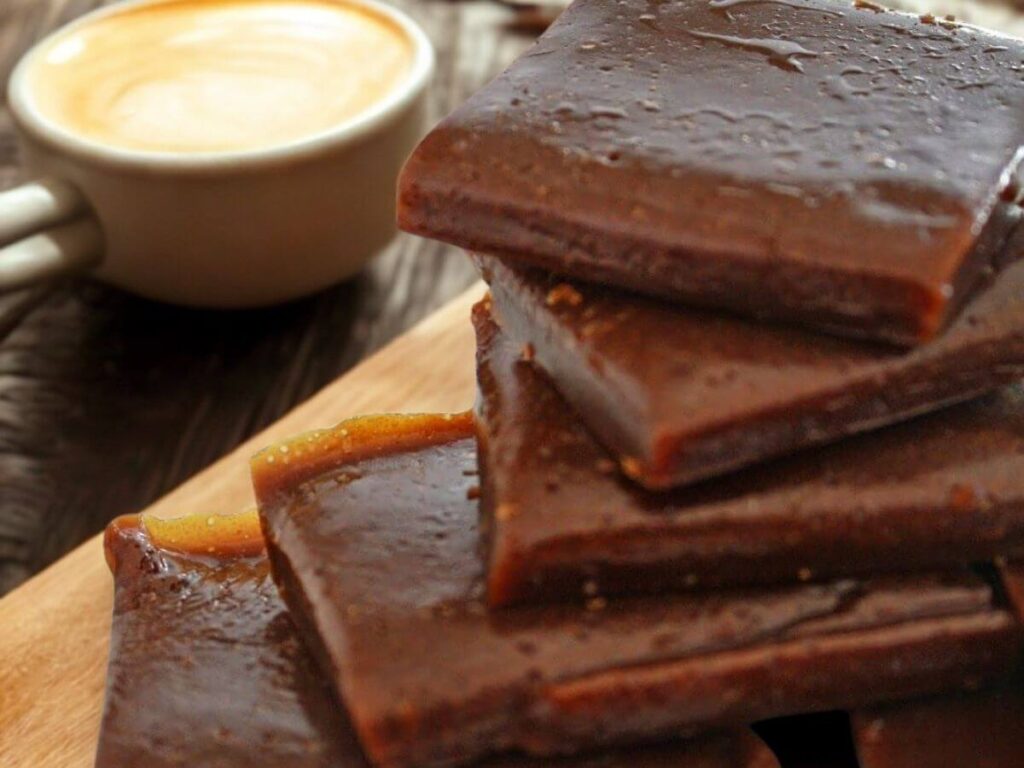
This traditional sweet pairs wonderfully with hot beverages. Serve bonfire toffee alongside cups of tea, hot chocolate, or mulled cider at autumn gatherings. The intense molasses flavor provides a delightful contrast to warm drinks.
Tips and Tricks
Temperature Control
Invest in a quality sugar thermometer for consistent results. Digital thermometers with clip attachments work particularly well. Calibrate your thermometer by placing it in boiling water; it should read exactly 100°C at sea level.
Watch the mixture carefully during the final minutes of cooking. The temperature rises slowly at first but can jump quickly from 130°C to 140°C. Stay by the stove during this critical phase.
Pan Selection
A heavy-based saucepan distributes heat evenly and prevents hot spots that can burn the sugar. Stainless steel or copper pans work excellently. Avoid thin or non-stick pans, which can create uneven heating.
The pan must be deep enough to contain vigorous bubbling. The mixture can triple in volume when boiling, so choose a pan with high sides for safety.
Safety Considerations
Hot sugar reaches temperatures far exceeding boiling water and causes severe burns. Keep children and pets away from the cooking area. Wear long sleeves if possible and never touch the mixture or pan sides without protection.
If hot toffee spills on skin, immediately run cold water over the area for at least 10 minutes. Do not attempt to wipe it off, as this spreads the burn.
Cleaning
Cleaning hardened toffee from pans seems daunting but is simple. Fill the pan with water and place it on the stove. Bring the water to a boil and simmer for a few minutes. The toffee will dissolve completely, leaving your pan clean. This method works for thermometers and spoons as well.
Testing Without a Thermometer
If you lack a thermometer, the cold water test provides guidance. Keep a glass of very cold water nearby. At intervals, drop half a teaspoon of the mixture into the water. In the early stages, it forms soft balls. As cooking progresses, it becomes firmer. At the hard crack stage needed for bonfire toffee, the mixture forms hard threads that snap cleanly and feel brittle. This method requires practice to master.
How to Make Toffee Ingredients Work Together
Understanding the science behind toffee making improves your results. Each ingredient serves a specific purpose in creating the final texture and flavor.
Granulated sugar provides the structure. As it heats, sugar molecules break down and reform into new compounds that create the characteristic color and flavor of caramelized sugar.
Golden syrup and black treacle are invert sugars that prevent crystallization. Regular sugar alone would form large crystals, creating a grainy texture. These syrups interfere with crystal formation, ensuring smooth, glassy toffee.
The vinegar or lemon juice serves a similar function. The acid breaks down some sucrose into glucose and fructose, which resist crystallization. You need only a small amount to achieve this effect.
Butter adds richness and contributes to the satisfying snap of cooled toffee. The fat molecules integrate into the sugar structure, affecting how the final product breaks.
Water initially helps dissolve the sugar but evaporates during cooking. As moisture leaves, the sugar concentration increases, eventually reaching the point where it will harden upon cooling.
Alternative Ingredients and Techniques
Golden Syrup Toffee Recipe Variation
For a lighter colored and milder flavored toffee, adjust the proportions in this golden syrup toffee recipe. Use 335g golden syrup and reduce the black treacle to just 55g. This creates a toffee that is still delicious but less intensely molasses-flavored. Some people prefer this variation, particularly children who may find traditional bonfire toffee too strong.
Old Fashioned Treacle Toffee Recipe with Condensed Milk
An old fashioned treacle toffee recipe with condensed milk produces a softer, chewier result. Add 200ml condensed milk to your mixture along with the other ingredients. The milk proteins and additional sugars create a different texture that some prefer. Cook this variation to 135°C rather than 140°C for the best results.
This condensed milk version requires more careful attention during cooking, as the milk solids can scorch more easily than plain sugar mixtures.
Thorntons Treacle Toffee Recipe Style
While the exact thorntons treacle toffee recipe remains proprietary, you can approximate the commercial style by ensuring your mixture is cooked to precisely 140°C and cooled slowly. Commercial toffee often has a very glossy appearance achieved through careful temperature control and high-quality ingredients.
Flavor Variations
Once you master the basic bonfire toffee recipe, experiment with additions. Remove the pan from heat at 140°C and quickly stir in one of these options:
- 1 teaspoon vanilla extract for warmth
- Finely grated zest of 1 orange for citrus notes
- 1/4 teaspoon sea salt flakes for salted toffee
- 1/2 teaspoon ground ginger for spice
- 1 teaspoon instant coffee granules for depth
Add these sparingly and stir briefly before pouring, as excess stirring can cause crystallization.
Vegan Bonfire Toffee
Replace the butter with vegan butter or coconut oil in equal quantities. Check that your golden syrup and treacle are vegan, as some brands use animal products in processing. The texture may differ slightly, but the result is still excellent.
Nut-Free Alternatives
Traditional bonfire toffee contains no nuts, making it naturally suitable for those with nut allergies. However, always check that your ingredients were processed in nut-free facilities if serving to someone with severe allergies.
Nutritional Value
Per 20g serving (approximately 1 piece):
- Calories: 85 kcal
- Total Fat: 2.2g
- Saturated Fat: 1.4g
- Carbohydrates: 17g
- Sugars: 17g
- Protein: 0g
- Sodium: 5mg
- Fiber: 0g
Bonfire toffee is high in sugar and should be enjoyed as an occasional treat rather than a regular snack. The black treacle does provide trace amounts of iron, calcium, and potassium, but these are minimal in typical serving sizes.
One piece of bonfire toffee contains approximately the same amount of sugar as a small chocolate bar. The hard texture means it dissolves slowly in the mouth, which some people find satisfying with just one or two pieces.
This sweet is not suitable for diabetics or those following low-sugar diets. The recipe cannot be successfully made with sugar substitutes, as the chemical properties of real sugar are essential to achieving the correct texture.
Frequently Asked Questions
How long does homemade bonfire toffee last?
When stored properly in an airtight container, bonfire toffee stays fresh for up to 2 weeks. Keep it in a cool, dry place away from humidity. If moisture gets in, the toffee becomes sticky and loses its crisp texture. Layer pieces between parchment paper to prevent sticking together during storage.
Can I make bonfire toffee without a sugar thermometer?
Yes, you can use the cold water test method. Drop a small amount of the mixture into a glass of cold water. At the hard crack stage needed for bonfire toffee, it forms brittle threads that snap cleanly when bent. However, a sugar thermometer provides more reliable and consistent results, especially if you are new to candy making.
Why is my bonfire toffee sticky instead of hard?
Sticky toffee indicates the mixture did not reach the correct temperature of 140°C. The sugar concentration remained too low, leaving excess moisture in the finished product. You can reheat sticky toffee with a splash of water, then cook it longer until it reaches the proper temperature. Humidity on the day of making can also cause stickiness.
Can I add flavors to bonfire toffee recipe?
Absolutely. You can add vanilla extract, orange zest, sea salt, or spices after removing the pan from heat. Stir gently and quickly before pouring into the tin. Avoid adding too much liquid, as this affects the setting process. Extracts work better than fresh ingredients for this reason.
Is bonfire toffee the same as butterscotch?
No, they are different sweets. Butterscotch is made primarily with brown sugar and has a softer, creamier texture. It is typically cooked to a lower temperature. Bonfire toffee uses black treacle and is cooked to a higher temperature of 140°C, creating a harder, more brittle sweet with a deeper molasses flavor.
What type of tin should I use for bonfire toffee?
A 20cm square metal tin works best. Avoid glass dishes as the extreme heat of hot toffee can cause them to crack or shatter. Silicone molds are not recommended because they make it difficult to achieve clean breaks in the finished toffee. Metal conducts heat away efficiently and produces the best results.
Can I halve the bonfire toffee recipe?
Yes, you can reduce all ingredients proportionally. However, small batches can be trickier as they heat up faster and require more careful attention to prevent burning. The cooking time will be shorter, so watch your thermometer closely and stay by the stove throughout the process.
Why did my toffee turn grainy?
Graininess happens when sugar crystals form during cooking. This occurs if you stir the mixture after boiling begins or if undissolved sugar remains on the pan sides. Always ensure sugar dissolves completely at the start. Brush down the pan sides with a wet pastry brush during cooking and avoid stirring once the mixture boils.
Can I make bonfire toffee on a humid day?
You can try, but results may be disappointing. High humidity causes toffee to absorb moisture from the air, preventing proper setting or causing set toffee to become sticky quickly. If you must make toffee on a humid day, work in an air-conditioned room if possible and store the finished product immediately in airtight containers.
What is the best way to break bonfire toffee?
Once completely cool and set, turn the toffee out onto a cutting board. Use a toffee hammer or the handle of a heavy knife to tap firmly on the surface. The toffee will break into irregular shards. Apply steady, firm pressure rather than hitting hard. Wearing food-safe gloves helps if the toffee feels slightly sticky from handling.
Can I freeze bonfire toffee?
Freezing is not recommended. The moisture from freezing and thawing makes toffee sticky and ruins its texture. The airtight container storage method at room temperature is far superior and keeps the toffee fresh for weeks without any texture changes.
Why does my toffee have bubbles in it?
Small bubbles are normal and add character to homemade bonfire toffee. Large bubbles occur if you stir the mixture too much after boiling begins. Stirring incorporates air into the hot sugar. Let the mixture boil undisturbed for the clearest, most professional-looking results.
Conclusion
Making bonfire toffee recipe at home connects you with a cherished British tradition that spans generations. This easy treacle toffee recipe produces authentic results that rival any shop-bought version. With careful attention to temperature and proper technique, you can create this classic sweet that captures the essence of autumn celebrations.
The deep molasses notes and satisfying snap of homemade bonfire toffee cannot be beaten. Whether you call it bonfire toffee or treacle toffee, mastering this recipe allows you to share a piece of British heritage with family and friends. The process may seem intimidating at first, but with practice, you will develop confidence in working with hot sugar.
This timeless recipe deserves a place in your kitchen repertoire. Make a batch for your next bonfire night celebration, wrap pieces as homemade gifts, or simply enjoy them with a cup of tea on a cold autumn evening. The reward of creating this traditional sweet from scratch makes every careful moment worthwhile..