
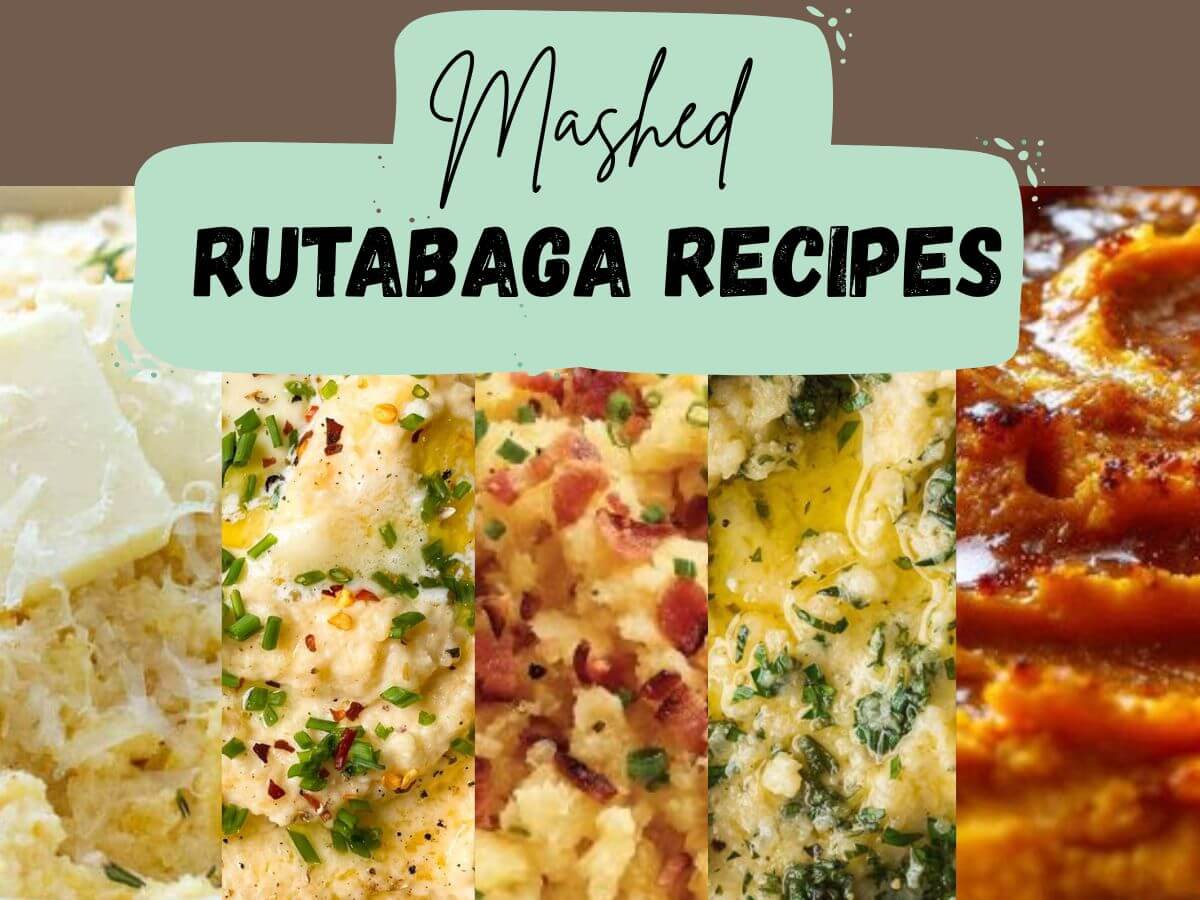
Mashed rutabaga recipes deserves a place at your dinner table. This humble root vegetable, also known as swede or neeps in different parts of the world, transforms into a creamy, slightly sweet side dish that rivals traditional mashed potatoes. With its golden color and subtle earthy flavor, mashed rutabaga offers a nutritious alternative that’s lower in carbohydrates and packed with vitamins and fiber.
Many people overlook rutabaga at the grocery store, unsure how to prepare it or what it tastes like. The truth is that rutabaga has a gentle, sweet flavor with peppery undertones that becomes wonderfully mild and buttery when cooked and mashed. It pairs beautifully with butter, cream, herbs, and spices, making it incredibly versatile for different flavor profiles.
Whether you’re looking for a healthier mashed potato substitute, following a low-carb diet, or simply want to explore new vegetables, mashed rutabaga is an excellent choice. These recipes will show you how to prepare perfect mashed rutabaga every time, along with creative variations that will make this root vegetable a new family favorite.
Why Choose Mashed Rutabaga
Rutabaga offers several advantages that make it worth trying. From a nutritional standpoint, rutabaga contains fewer calories and carbohydrates than potatoes while providing more fiber, vitamin C, and potassium. One cup of mashed rutabaga has roughly 50 calories and 12 grams of carbs compared to about 110 calories and 25 grams of carbs in the same amount of mashed potatoes.
The flavor profile of rutabaga is another compelling reason to try it. While potatoes are fairly neutral, rutabaga has character. It offers a subtle sweetness balanced with earthy, slightly peppery notes that become mellow and complex when cooked. This natural sweetness means you can use less butter and cream while still achieving a rich, satisfying dish.
Rutabaga also holds up well to different cooking methods and reheats beautifully without becoming gluey or losing texture. The vegetable’s firm structure means you can make it as smooth or as chunky as you prefer, and it won’t turn gummy if you overmix it, unlike potatoes.
For those following specific diets, mashed rutabaga fits perfectly into low-carb, keto, paleo, and whole food eating plans. It’s naturally gluten-free and can be made dairy-free with simple substitutions while still delivering comfort food satisfaction.
How to Select and Prepare Rutabaga
Choosing good rutabaga at the store makes a difference in your final dish. Look for rutabagas that feel heavy for their size with smooth, firm skin. Avoid any with soft spots, cracks, or excessive wax coating. Smaller to medium rutabagas tend to be sweeter and less woody than very large ones.
Most rutabagas sold in stores have a wax coating applied to extend shelf life. This is completely safe but needs to be removed before cooking. The easiest way to prepare rutabaga is to trim off both ends, then use a sharp knife or sturdy vegetable peeler to remove both the wax and the thick outer skin. The flesh underneath should be pale yellow to cream colored.
Cut the peeled rutabaga into uniform cubes about 2-3 centimeters (1 inch) in size. This ensures even cooking. Smaller pieces cook faster, which is helpful when you’re short on time.
Rutabaga takes longer to cook than potatoes because it’s denser. Plan for 25-35 minutes of boiling time depending on cube size. The rutabaga is ready when a fork or knife slides through easily with no resistance.
Classic Mashed Rutabaga
Recipe Overview
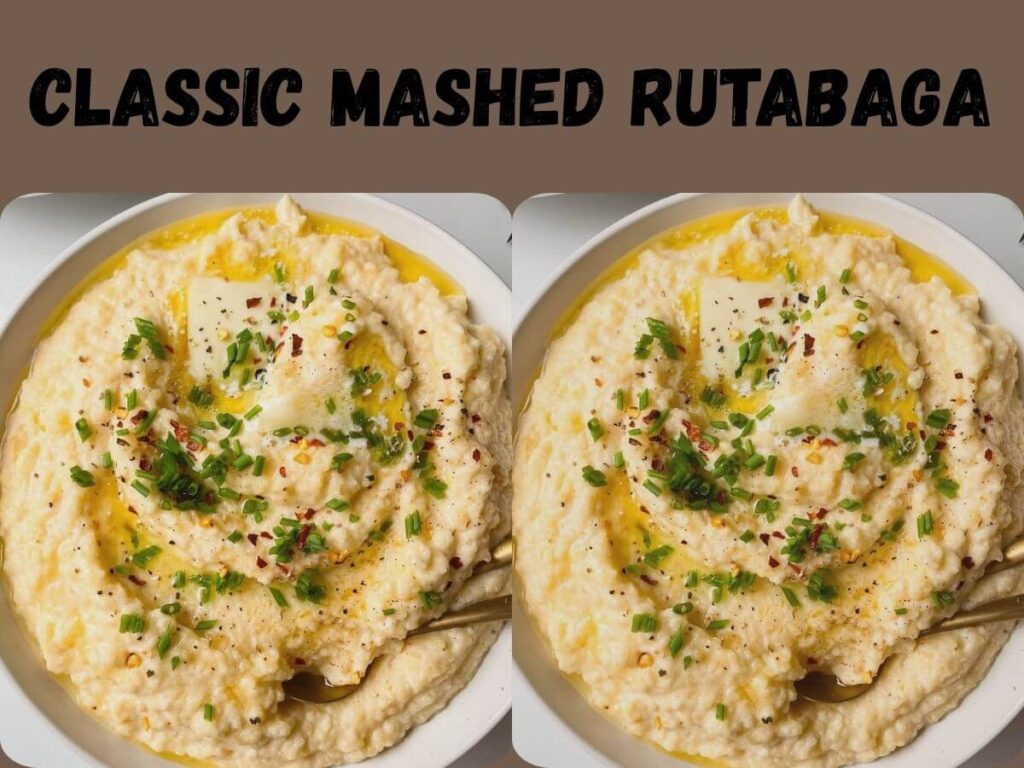
This is the foundational recipe for perfectly creamy mashed rutabaga. It’s simple, straightforward, and lets the natural sweetness of the vegetable shine through. Once you master this basic version, you can experiment with the variations that follow.
Ingredients
- 1 large rutabaga (about 1 kg or 2 pounds), peeled and cubed
- 4 tablespoons unsalted butter
- ¼ cup heavy cream or milk
- 1 teaspoon salt
- ½ teaspoon black pepper
- ½ teaspoon garlic powder (optional)
- Fresh chives or parsley for garnish (optional)
Method
Bring a large pot of salted water to a boil. Add the cubed rutabaga and cook for 25-30 minutes until very tender when pierced with a fork.
Drain the rutabaga thoroughly in a colander. Let it sit for 2-3 minutes to allow excess moisture to evaporate. This step is important for achieving creamy rather than watery mashed rutabaga.
Return the drained rutabaga to the pot or transfer to a large bowl. Add the butter and let it melt over the hot vegetables.
Mash the rutabaga using a potato masher, starting with rough mashing and gradually working to your desired consistency. For ultra-smooth results, use a hand mixer or immersion blender.
Add the cream gradually while continuing to mash or blend. Start with 2 tablespoons and add more as needed to reach your preferred consistency.
Season with salt, pepper, and garlic powder if using. Taste and adjust seasoning as needed. Mashed rutabaga can handle generous seasoning.
Transfer to a serving bowl and garnish with fresh herbs if desired. Serve hot.
Serving Suggestions
Mashed rutabaga pairs beautifully with roasted meats, especially beef, lamb, pork, and game. It’s excellent alongside pot roast, roasted chicken, grilled steaks, or holiday turkey. The slightly sweet flavor complements rich gravies and meat juices perfectly.
Storage and Reheating
Store leftover mashed rutabaga in an airtight container in the refrigerator for up to 4 days. Reheat gently on the stovetop over low heat, adding a splash of cream or milk to restore creaminess. You can also reheat in the microwave in 30-second intervals, stirring between each.
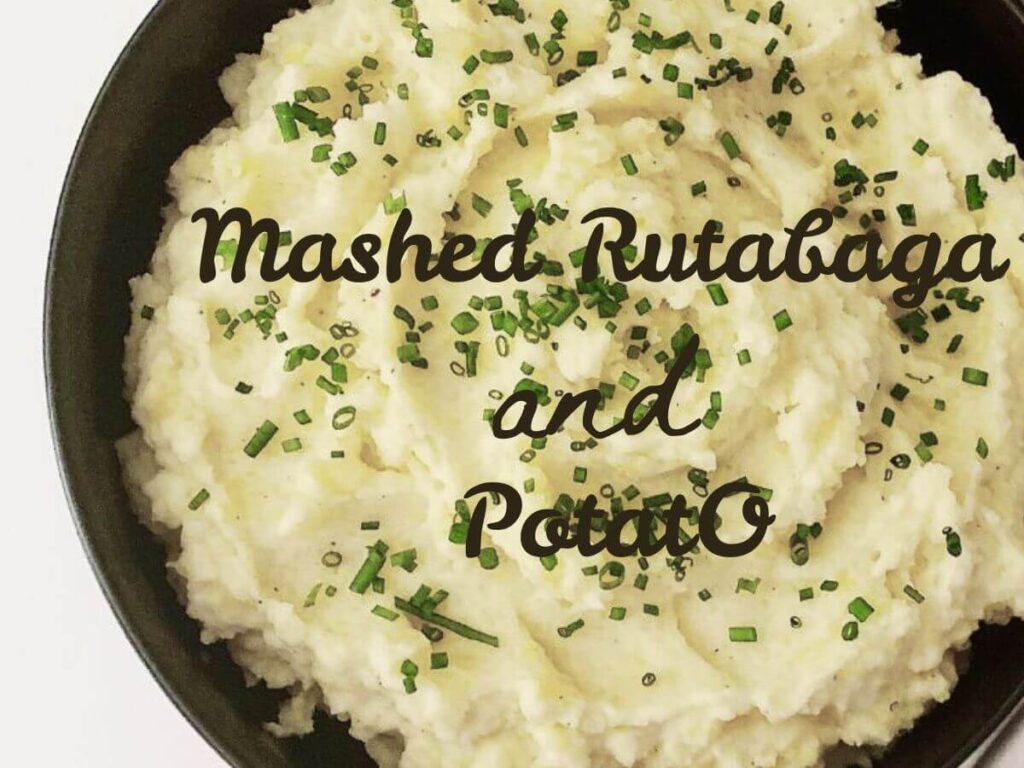
Mashed Rutabaga and Potato Blend
Recipe Overview
If you’re new to rutabaga or serving people who might be skeptical about trying it, this half-and-half blend is the perfect introduction. It combines the familiarity of potatoes with the nutritional benefits and subtle sweetness of rutabaga.
Ingredients
- 500g (1 pound) rutabaga, peeled and cubed
- 500g (1 pound) Yukon Gold or russet potatoes, peeled and cubed
- 4 tablespoons butter
- ½ cup heavy cream or whole milk
- 2 cloves garlic, minced (optional)
- 1 teaspoon salt
- ½ teaspoon black pepper
- 2 tablespoons fresh chives, chopped
Method
Bring a large pot of salted water to a boil. Add the rutabaga cubes first and cook for 10 minutes, then add the potato cubes. Continue cooking for another 15-20 minutes until both vegetables are fork-tender.
Drain thoroughly and let steam dry for 2-3 minutes.
If using garlic, melt 1 tablespoon of butter in a small pan and sauté the minced garlic for 1 minute until fragrant. Set aside.
Return the vegetables to the pot. Add the remaining butter and the sautéed garlic (if using). Mash until mostly smooth.
Warm the cream slightly (this prevents cooling down the mash), then add it gradually while continuing to mash. Mix until you reach your desired consistency.
Season with salt and pepper. Fold in the fresh chives, reserving some for garnish.
Serving Suggestions
This blend works anywhere you’d normally serve mashed potatoes. It’s particularly good with meatloaf, fried chicken, or sausages. The combination is mild enough for picky eaters while still offering the nutritional upgrade of rutabaga.
Storage and Reheating
Store in the refrigerator for up to 4 days. This blend reheats exceptionally well. Add a pat of butter when reheating to restore the creamy texture.
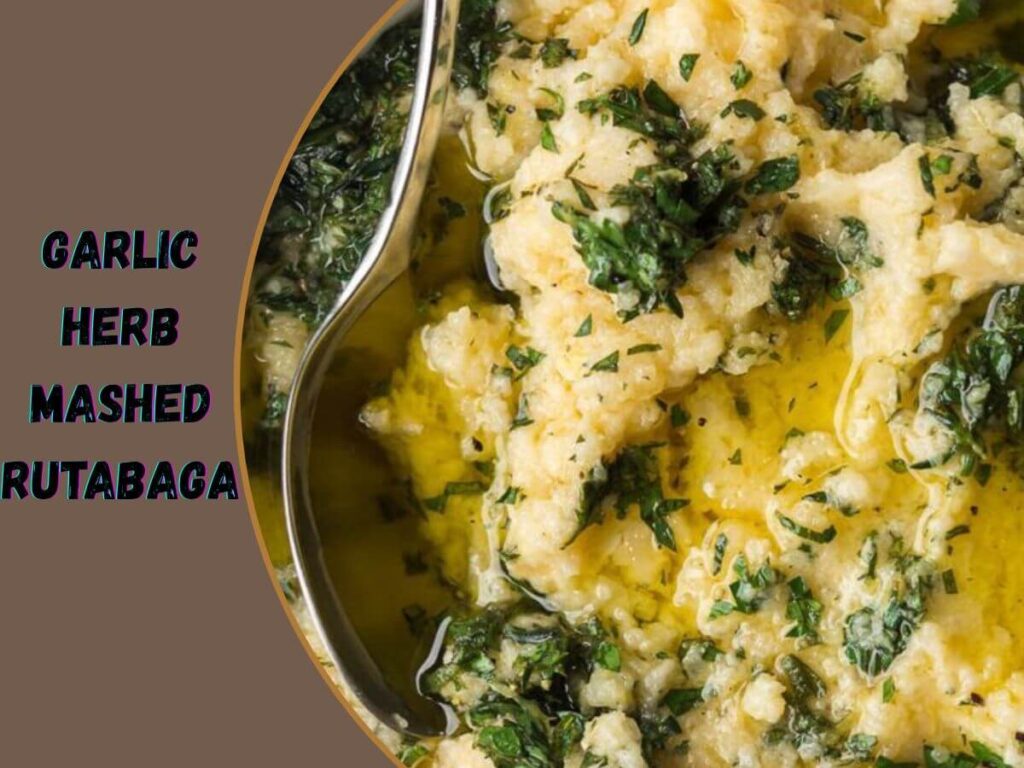
Garlic Herb Mashed Rutabaga
Recipe Overview
This recipe elevates simple mashed rutabaga with aromatic garlic and fresh herbs. It’s sophisticated enough for company but easy enough for weeknight dinners.
Ingredients
- 1 large rutabaga (about 1 kg), peeled and cubed
- 4 cloves garlic, whole and peeled
- 4 tablespoons butter
- ¼ cup sour cream
- 2 tablespoons fresh parsley, chopped
- 1 tablespoon fresh thyme leaves
- 1 tablespoon fresh rosemary, finely chopped
- 1 teaspoon salt
- ½ teaspoon black pepper
- 2 tablespoons olive oil
Method
Bring a large pot of salted water to a boil. Add the rutabaga cubes and whole garlic cloves. Cook for 25-30 minutes until the rutabaga is very tender.
Drain well and let steam for 2-3 minutes.
Return to the pot and add butter and olive oil. The garlic will have softened completely and can be mashed right into the rutabaga.
Mash everything together until smooth. Add the sour cream and continue mashing or use a hand mixer for extra creaminess.
Fold in the fresh herbs, reserving a little for garnish. Season with salt and pepper.
Transfer to a serving dish and drizzle with a little extra olive oil. Garnish with remaining herbs.
Serving Suggestions
This herbed version is perfect with roasted lamb, grilled fish, or herb-crusted pork tenderloin. It’s elegant enough for holiday dinners and pairs wonderfully with red wine reductions or herb gravies.
Storage and Reheating
The fresh herbs remain flavorful for 3-4 days when stored properly. Reheat gently and add a fresh sprinkle of herbs just before serving for the brightest flavor.
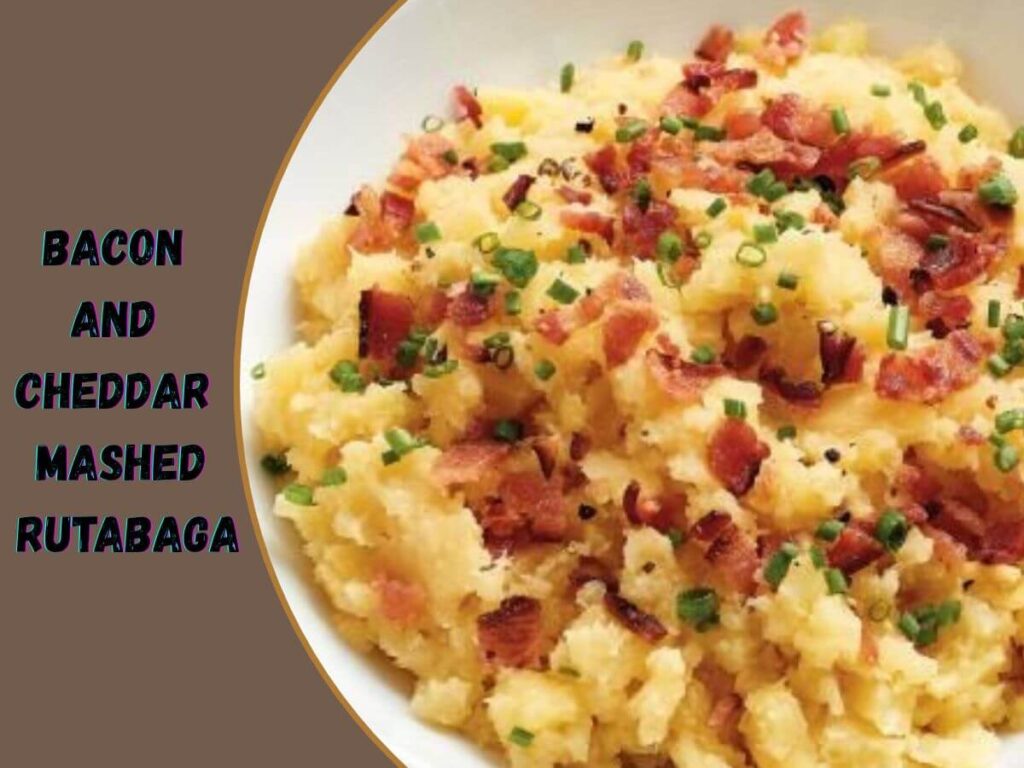
Bacon and Cheddar Mashed Rutabaga
Recipe Overview
This indulgent version transforms rutabaga into a rich, savory side dish loaded with crispy bacon and sharp cheddar cheese. It’s comfort food at its finest while still being healthier than traditional loaded mashed potatoes.
Ingredients
- 1 large rutabaga (about 1 kg), peeled and cubed
- 6 strips bacon, diced
- 3 tablespoons butter
- ¼ cup heavy cream
- 1 cup sharp cheddar cheese, shredded
- 3 green onions, sliced
- ½ teaspoon smoked paprika
- Salt and pepper to taste
- Extra cheese and green onions for topping
Method
Cook the diced bacon in a skillet over medium heat until crispy. Remove with a slotted spoon and drain on paper towels. Reserve 1 tablespoon of bacon fat.
Meanwhile, boil the rutabaga cubes in salted water for 25-30 minutes until very tender. Drain thoroughly.
Mash the rutabaga with butter and the reserved bacon fat. Add the heavy cream gradually while mashing.
Stir in the shredded cheddar cheese while the rutabaga is still hot, allowing it to melt into the mixture. Add the smoked paprika.
Fold in most of the crispy bacon and sliced green onions, reserving some for garnish. Season with salt and pepper to taste.
Transfer to a serving bowl and top with remaining bacon, green onions, and a sprinkle of extra cheese.
Serving Suggestions
This loaded version is hearty enough to serve as a main course for a light meal, or as a decadent side with simple grilled chicken or steak. It’s a crowd-pleaser at potlucks and holiday gatherings.
Storage and Reheating
Store for up to 3 days in the refrigerator. The bacon stays relatively crispy. Reheat in the oven at 180°C (350°F) for best results, or microwave until heated through.
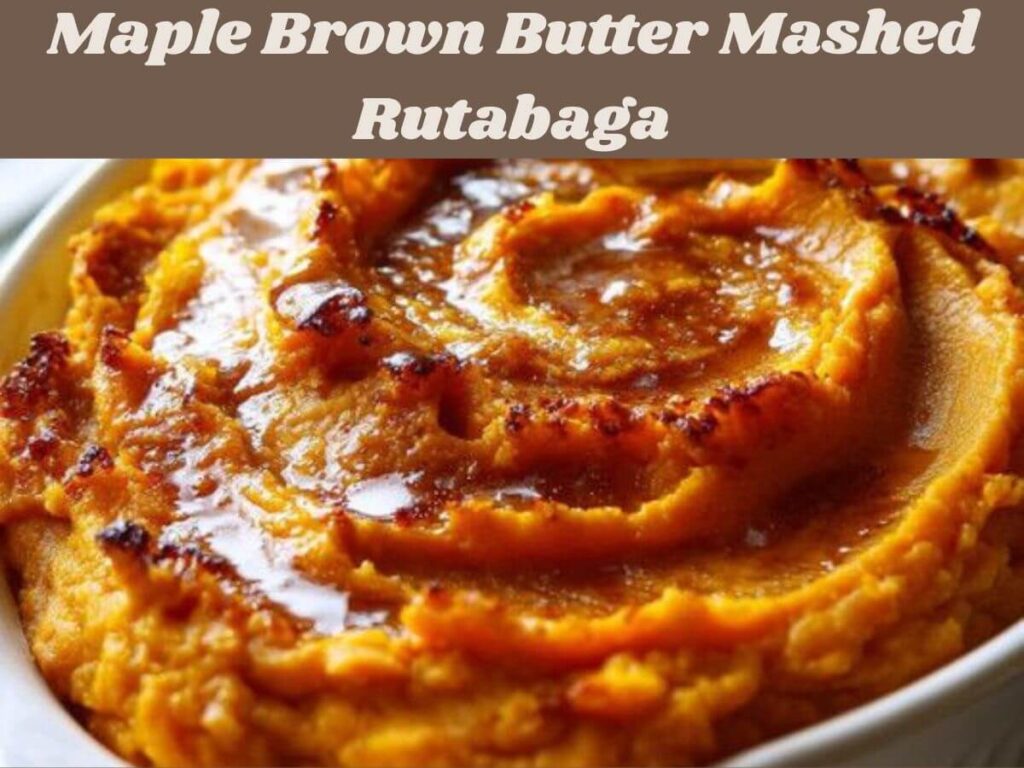
Maple Brown Butter Mashed Rutabaga
Recipe Overview
This sophisticated version celebrates rutabaga’s natural sweetness with nutty brown butter and pure maple syrup. It’s an elegant side dish that’s perfect for autumn dinners and holiday meals.
Ingredients
- 1 large rutabaga (about 1 kg), peeled and cubed
- 5 tablespoons butter
- 2 tablespoons pure maple syrup
- ¼ cup heavy cream
- ¼ teaspoon cinnamon
- ¼ teaspoon nutmeg
- ½ teaspoon salt
- ¼ teaspoon black pepper
- 2 tablespoons chopped pecans, toasted (optional)
Method
Boil the rutabaga cubes in salted water for 25-30 minutes until fork-tender. Drain thoroughly and let steam dry.
While the rutabaga cooks, make brown butter by melting the butter in a small saucepan over medium heat. Continue cooking, swirling the pan occasionally, until the butter turns golden brown and smells nutty, about 5-7 minutes. Watch carefully to prevent burning. Remove from heat.
Mash the drained rutabaga in a large bowl. Add the brown butter, maple syrup, and cream. Continue mashing or use a hand mixer until smooth and creamy.
Add the cinnamon and nutmeg. Season with salt and pepper. The combination should be subtly sweet with warm spice notes.
Transfer to a serving dish and sprinkle with toasted pecans if using.
Serving Suggestions
This sweet-savory version pairs beautifully with pork roast, duck, ham, or turkey. It’s especially appropriate for Thanksgiving, Christmas dinner, or any fall celebration. The maple flavor complements cranberry sauce and other holiday sides wonderfully.
Storage and Reheating
Store for up to 4 days. Reheat gently on the stovetop, adding a small pat of butter to refresh the flavor. Toast fresh pecans just before serving for the best texture.
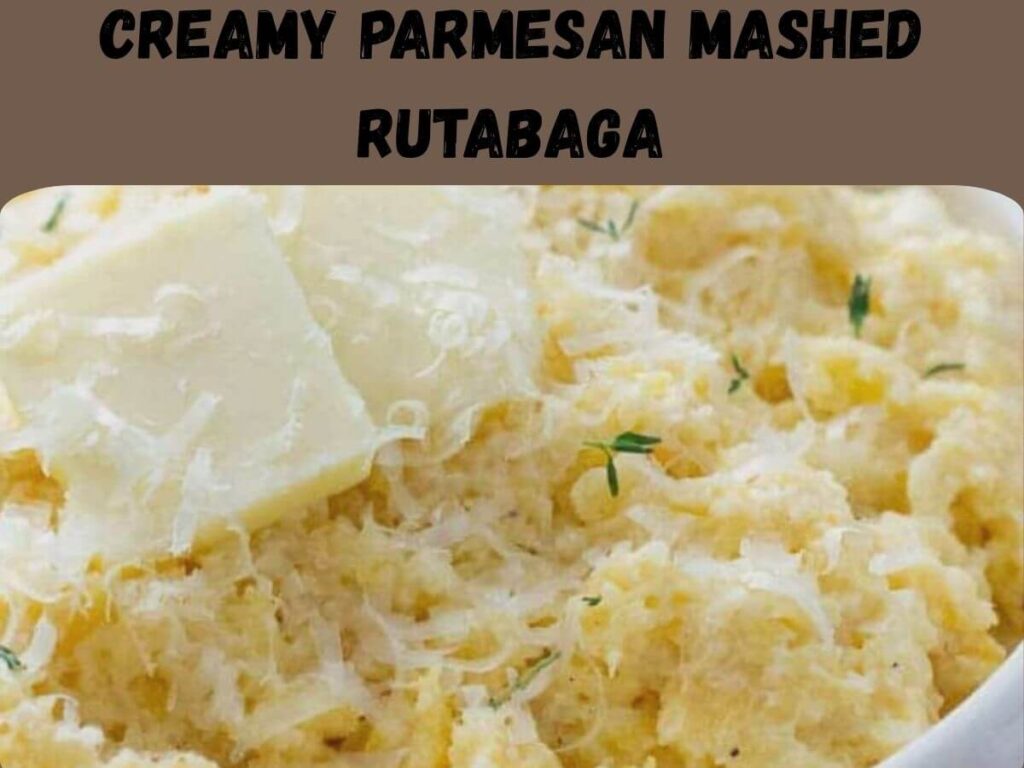
Creamy Parmesan Mashed Rutabaga
Recipe Overview
Italian-inspired flavors transform rutabaga into a sophisticated side dish with nutty Parmesan cheese, garlic, and a hint of lemon. This version is rich without being heavy.
Ingredients
- 1 large rutabaga (about 1 kg), peeled and cubed
- 3 tablespoons butter
- ¼ cup heavy cream
- ¾ cup Parmesan cheese, freshly grated
- 2 cloves garlic, minced
- 1 teaspoon lemon zest
- 1 tablespoon lemon juice
- 2 tablespoons fresh basil, chopped
- Salt and pepper to taste
- Extra Parmesan for serving
Method
Boil rutabaga cubes in salted water for 25-30 minutes until very tender. Drain well.
In a small pan, melt 1 tablespoon of butter and sauté the minced garlic for 1 minute until fragrant. Set aside.
Mash the rutabaga with the remaining butter. Add the sautéed garlic and heavy cream, continuing to mash until smooth.
Stir in the Parmesan cheese while the mixture is hot, allowing it to melt throughout. Add lemon zest and lemon juice.
Fold in the fresh basil. Season with salt and pepper. The Parmesan adds saltiness, so taste before adding too much salt.
Serve topped with extra grated Parmesan and a basil leaf for garnish.
Serving Suggestions
This Italian-style rutabaga pairs wonderfully with chicken piccata, veal, osso buco, or any Italian-inspired main course. It also works beautifully with roasted Mediterranean vegetables.
Storage and Reheating
Store for up to 4 days. The Parmesan flavor intensifies slightly over time. Reheat gently, adding a splash of cream if needed. Add fresh basil just before serving for the brightest flavor.
Tips for Perfect Mashed Rutabaga
Cut Uniform Pieces: Consistent sizing ensures all pieces cook at the same rate, preventing some from being mushy while others remain hard.
Don’t Undercook: Rutabaga needs to be very tender before mashing. If there’s any resistance when you insert a fork, cook longer. Undercooked rutabaga will be lumpy and difficult to mash.
Drain Thoroughly: Watery mashed rutabaga is disappointing. After draining, let the rutabaga sit in the colander for a few minutes, or return it to the hot pot briefly to evaporate excess moisture.
Season Generously: Rutabaga can handle bold seasoning. Don’t be shy with salt, pepper, and other flavors. Taste and adjust throughout the process.
Add Fat: Whether butter, cream, olive oil, or bacon fat, some form of fat is essential for creamy, rich mashed rutabaga. This isn’t the place to skimp.
Serve Hot: Mashed rutabaga is best served immediately while hot. If you need to hold it, keep it covered in a warm oven (90°C/200°F) with a pat of butter on top to prevent a skin from forming.
Nutritional Benefits of Rutabaga
Rutabaga is a nutritional powerhouse that deserves more attention. A one-cup serving of mashed rutabaga provides significant amounts of vitamin C, supporting immune function and skin health. It also contains good amounts of potassium, which helps regulate blood pressure and supports heart health.
The fiber content in rutabaga promotes digestive health and helps you feel satisfied longer. This makes mashed rutabaga an excellent choice for weight management, as it provides volume and comfort food satisfaction with fewer calories than potato-based alternatives.
Rutabaga also contains beneficial compounds called glucosinolates, which are being studied for their potential anti-inflammatory and cancer-protective properties. These compounds are part of what gives rutabaga its subtle peppery flavor.
For those watching their blood sugar, rutabaga has a lower glycemic index than potatoes, meaning it causes a slower, more gradual rise in blood sugar levels. This makes it particularly suitable for people with diabetes or those following low-glycemic eating plans.
Frequently Asked Questions
What does mashed rutabaga taste like?
Mashed rutabaga has a slightly sweet, earthy flavor with subtle peppery notes. The taste is milder than raw rutabaga and becomes creamy and buttery when properly prepared. It’s less starchy than potatoes with a more complex, slightly turnip-like flavor. Most people find it pleasantly sweet and easy to enjoy, especially when seasoned well.
Is mashed rutabaga healthier than mashed potatoes?
Yes, mashed rutabaga is generally healthier than mashed potatoes. It contains about half the calories and carbohydrates of potatoes while providing more fiber, vitamin C, and potassium. Rutabaga also has a lower glycemic index, making it better for blood sugar control. The nutritional profile makes it an excellent choice for low-carb, keto, or diabetic-friendly diets.
How do you make mashed rutabaga less watery?
The key to avoiding watery mashed rutabaga is thorough draining. After boiling, drain the rutabaga in a colander and let it sit for 2-3 minutes to release steam and excess moisture. You can also return it to the hot pot for 30 seconds to evaporate remaining water. Start with less cream than you think you need and add gradually to control consistency.
Can you make mashed rutabaga ahead of time?
Yes, mashed rutabaga is excellent for making ahead. Prepare it completely, then store covered in the refrigerator for up to 2 days. Reheat gently on the stovetop over low heat, stirring frequently and adding a splash of cream or milk to restore creaminess. You can also keep it warm in a slow cooker on low for up to 2 hours before serving.
Do you need to peel rutabaga before mashing?
Yes, you must peel rutabaga before cooking. The skin is thick and often has a wax coating applied for storage. Use a sharp knife or sturdy vegetable peeler to remove both the wax and the thick outer layer until you reach the pale yellow flesh underneath. The peel is too tough to become tender during cooking.
Can you freeze mashed rutabaga?
Yes, mashed rutabaga freezes reasonably well for up to 3 months. Store in airtight containers or freezer bags, leaving some space for expansion. Thaw overnight in the refrigerator, then reheat gently on the stovetop. The texture may be slightly different from fresh, but it’s still quite good. Add a bit of fresh butter and cream when reheating to improve texture.
What’s the difference between rutabaga and turnip?
Rutabagas are larger, denser, and sweeter than turnips with yellow-orange flesh. Turnips are smaller with white flesh and a more peppery, bitter flavor. Rutabagas are actually a cross between cabbage and turnips. For mashing, rutabaga is generally preferred because of its sweeter flavor and creamier texture.
How long does it take to boil rutabaga?
Cubed rutabaga takes 25-35 minutes to become tender enough for mashing, depending on cube size. The vegetable is denser than potatoes and requires longer cooking time. Test for doneness by piercing with a fork—it should slide through easily with no resistance. Don’t rush this step, as undercooked rutabaga won’t mash smoothly.
Conclusion
Mashed rutabaga deserves a regular spot in your meal rotation. This versatile root vegetable offers wonderful flavor, excellent nutrition, and endless possibilities for customization. Whether you keep it simple with butter and cream, dress it up with bacon and cheese, or take it in a sweet direction with maple and brown butter, mashed rutabaga delivers comfort food satisfaction with a healthy twist.
The recipes in this guide provide options for every occasion and taste preference. Start with the classic version to appreciate rutabaga’s natural flavor, then experiment with the variations to find your favorites. The rutabaga and potato blend is perfect for introducing skeptical family members to this nutritious vegetable, while the more adventurous recipes showcase its versatility.
Don’t let rutabaga’s humble appearance intimidate you. With proper preparation and the right seasonings, this golden root vegetable transforms into a creamy, delicious side dish that rivals any mashed potato. The lower carbohydrate content and higher nutrient density make it an especially smart choice for health-conscious cooks without sacrificing the comfort food experience.
Next time you’re at the grocery store, pick up a rutabaga and give one of these recipes a try. You might discover a new favorite side dish that’s been hiding in the produce section all along. Once you master the basic technique, you’ll find yourself reaching for rutabaga whenever you want something creamy, satisfying, and just a little bit special.