

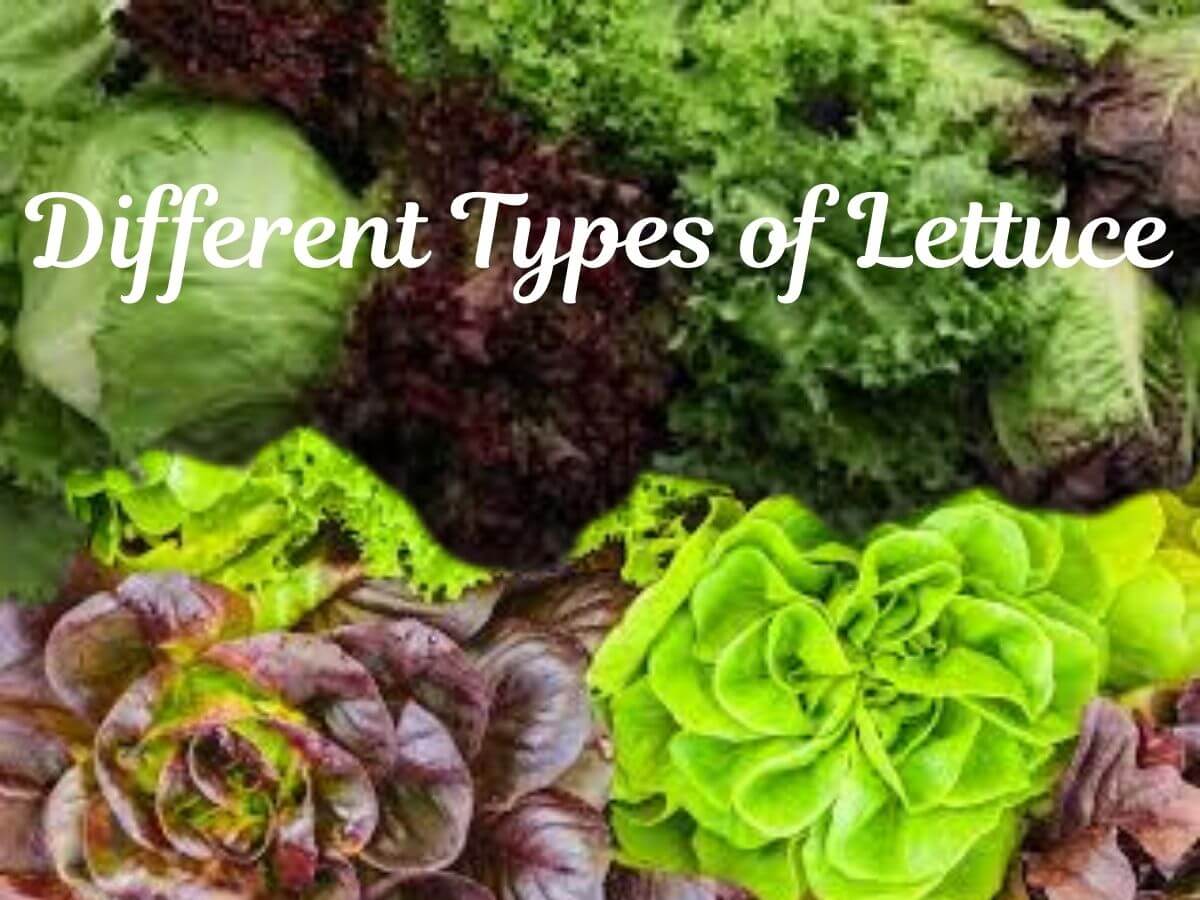
When you walk down the produce aisle, you might think lettuce is just lettuce. But there’s actually a whole world of different types of lettuce out there, each with its own unique flavor, texture, and nutritional benefits. Whether you’re making a crisp salad, building the perfect sandwich, or just trying to eat healthier, knowing your lettuce varieties can make a real difference in your meals.
Let me walk you through everything you need to know about the different types of lettuce, from the most common varieties to some exciting options you might not have tried yet. you can add different types of lettuce in your vegetarian party menu.
How Many Types of Lettuce Are There?
You might be wondering exactly how many types of lettuce exist. While there are hundreds of lettuce cultivars grown worldwide, they generally fall into four main categories: crisphead, butterhead, romaine, and loose-leaf. Within these categories, you’ll find at least 20 popular types of lettuce that you can easily find at your local grocery store or farmers market.
The 4 Main Categories of Lettuce
Before we dive into specific varieties, let’s understand the four basic types:
- Crisphead Lettuce – Known for their tight, compact heads and crunchy texture
- Butterhead Lettuce – Soft, tender leaves with a buttery texture
- Romaine Lettuce – Long, sturdy leaves with a crisp center rib
- Loose-Leaf Lettuce – Leaves that don’t form a tight head, easy to harvest
20 Types of Lettuce You Should Know
Now let’s explore the different types of lettuce and their names, along with what makes each one special.
1. Iceberg Lettuce
Iceberg is probably the most recognized type in America. This crisphead variety has a tight, round head with pale green leaves. It’s super crunchy and has a mild, slightly sweet taste. While it’s not the most nutritious option, it’s perfect for adding crunch to tacos, burgers, and sandwiches. It stays fresh longer than most other types, which is why restaurants love it.
2. Romaine Lettuce
Also called cos lettuce, romaine has long, dark green leaves with a thick, white center rib. It’s the classic choice for Caesar salads and one of the healthiest lettuces you can eat. Romaine has a slightly bitter taste and holds up well to heavy dressings without getting soggy. It’s packed with vitamins A, K, and folate.
3. Butterhead Lettuce (Boston and Bibb)
Butterhead lettuces are wonderfully soft and tender. Boston lettuce forms larger, looser heads, while Bibb lettuce (also called limestone lettuce) is smaller and more compact. Both have a sweet, delicate flavor and almost buttery texture. These are excellent for salads where you want something gentle and not too crunchy.
4. Green Leaf Lettuce
This loose-leaf variety doesn’t form a head at all. The leaves are ruffled, tender, and have a mild, slightly sweet flavor. Green leaf lettuce is versatile and works great in salads, sandwiches, and wraps. It’s more nutritious than iceberg and has a pleasant, soft texture.
5. Red Leaf Lettuce
Similar to green leaf but with beautiful burgundy-tipped leaves, red leaf lettuce adds gorgeous color to your plate. It has the same mild flavor as green leaf but with slightly more earthiness. The red pigment comes from anthocyanins, which are powerful antioxidants.
6. Arugula
While technically not a true lettuce, arugula (also called rocket) is often grouped with salad greens. It has small, delicate leaves with a distinctive peppery, slightly spicy flavor. Arugula is fantastic in salads, on pizzas, or mixed with milder greens. It’s loaded with calcium, potassium, and folate.
7. Watercress
Another peppery green, watercress has small, round leaves and a sharp, tangy bite. It’s one of the most nutrient-dense foods on the planet, packed with vitamins and minerals. Use it in salads, sandwiches, or as a garnish for soups.
8. Spinach
Though not a lettuce, spinach deserves mention as a popular salad green. Baby spinach is tender and mild, while mature spinach has a slightly earthier flavor. It’s incredibly nutritious and works in both raw and cooked dishes.
9. Oak Leaf Lettuce
Named for its oak leaf-shaped leaves, this variety comes in both green and red versions. It has a mild, nutty flavor and tender texture. Oak leaf lettuce is beautiful in mixed salads and adds an elegant touch to any dish.
10. Lollo Rosso
This Italian loose-leaf lettuce has frilly, deep red-purple leaves with green centers. It has a slightly bitter taste and crispy texture. Lollo rosso is often used in European salad mixes and adds stunning visual appeal.
11. Coral Lettuce
With its deeply frilled, delicate leaves, coral lettuce (available in both green and red) looks almost like underwater coral. It has a mild flavor and soft texture, making it perfect for fancy salads and garnishes.
12. Frisée (Curly Endive)
Frisée has pale yellow-green, curly leaves with a slightly bitter, peppery taste. It’s a bit tougher than regular lettuce and adds great texture contrast in salads. Frisée pairs wonderfully with bacon, poached eggs, and strong dressings.
13. Escarole
A broad-leafed endive, escarole has wide, slightly curved leaves that are darker green on the outside and pale in the center. It tastes mildly bitter when raw but becomes sweet and tender when cooked. Escarole is popular in Italian cooking and soups.
14. Radicchio
This Italian chicory forms small, tight heads with deep purple-red leaves and white ribs. Radicchio has a bold, bitter flavor that mellows when grilled or roasted. It adds beautiful color and a sophisticated taste to salads.
15. Little Gem Lettuce
A mini romaine variety, Little Gem has small, sweet, crunchy heads with a nutty flavor. It’s perfect for individual salads, grilling, or serving as lettuce cups. Many chefs consider it one of the most flavorful lettuces.
16. Mâche (Lamb’s Lettuce)
Also called corn salad, mâche has small, tender, spoon-shaped leaves with a delicate, slightly nutty flavor. It’s a cool-season green that’s popular in French cuisine. Mâche is perfect for light, elegant salads.
17. Mizuna
This Japanese green has feathery, serrated leaves and a mild, slightly peppery flavor. Mizuna adds beautiful texture to salad mixes and is also delicious stir-fried or added to soups.
18. Tatsoi
Another Asian green, tatsoi has dark green, spoon-shaped leaves that grow in a rosette pattern. It tastes similar to bok choy but milder, with a slight mustard flavor. It’s great in salads or lightly cooked.
19. Belgian Endive
These pale, torpedo-shaped heads have tightly packed, crisp leaves with a pleasantly bitter taste. Belgian endive is often used for appetizers (the leaves make perfect scoops), salads, or braised as a side dish.
20. Celtuce (Stem Lettuce)
Popular in Chinese cuisine, celtuce is grown mainly for its thick stem rather than its leaves. The stem is crunchy and mildly flavored, while the leaves can be bitter. It’s typically cooked rather than eaten raw.
Different Types of Lettuce for Salads
When you’re building the perfect salad, choosing the right lettuce makes all the difference. Here are the best types of lettuce for salads:
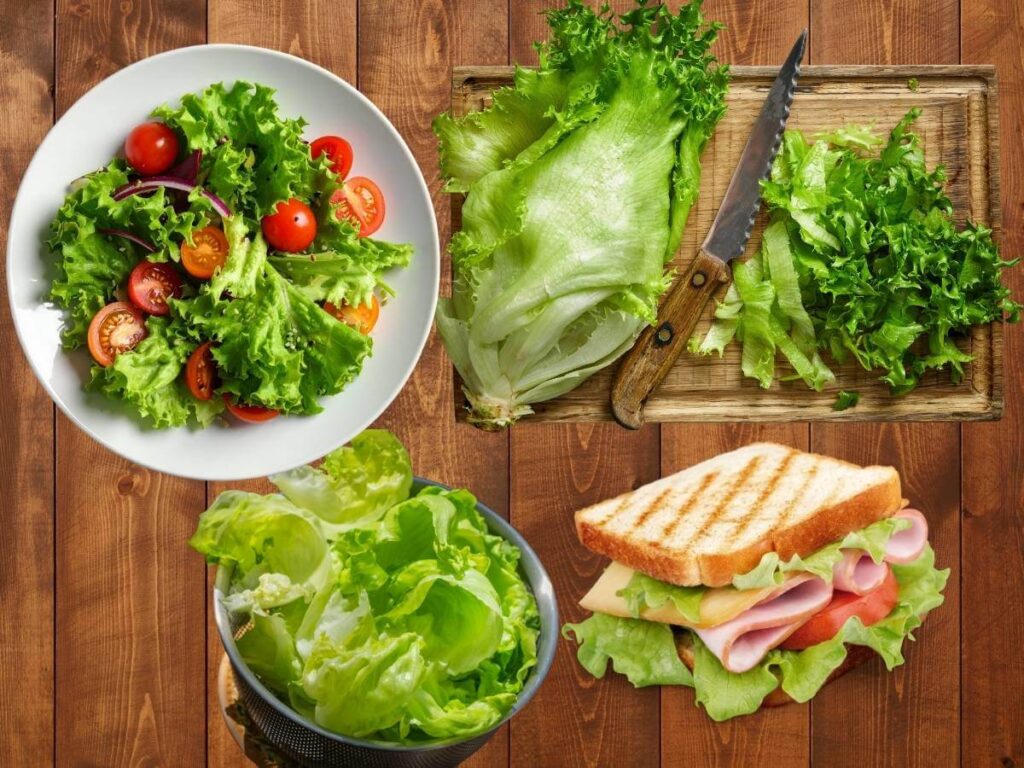
For Classic Green Salads: Romaine, green leaf, red leaf, or butterhead lettuce work beautifully. They’re mild, tender, and let your dressing shine.
For Mixed Salads: Combine different textures like crispy romaine with tender butter lettuce, peppery arugula, and colorful radicchio for an interesting mix.
For Caesar Salads: Romaine is the traditional and best choice. Its sturdy leaves hold up to thick, creamy dressing.
For Wedge Salads: Iceberg is the classic choice because of its compact structure and satisfying crunch.
For Gourmet Salads: Try Little Gem, mâche, frisée, or oak leaf lettuce for something special.
Different Types of Lettuce for Sandwiches
Not all lettuce works well in sandwiches. You want something that adds crunch without getting soggy or overpowering other flavors. Here are the best options:
Iceberg Lettuce: The undisputed champion for sandwiches. It stays crispy and won’t make your bread soggy.
Romaine Lettuce: Great for subs and wraps where you need something sturdy.
Butterhead Lettuce: The leaves are the perfect size for burger buns and add a soft, fresh element.
Green or Red Leaf Lettuce: Good all-purpose sandwich lettuce with more nutrition than iceberg.
Little Gem: Perfect for gourmet sandwiches where you want crunch with more flavor.
What Is the Healthiest Type of Lettuce?
If you’re looking for maximum nutrition, not all lettuces are created equal. Here’s the truth: darker greens generally pack more nutrients.
The Healthiest Options:
- Romaine Lettuce – High in vitamins A, K, and folate, plus fiber and antioxidants
- Red Leaf Lettuce – Contains anthocyanins (powerful antioxidants) along with vitamins A and K
- Watercress – One of the most nutrient-dense foods, packed with vitamins and minerals
- Arugula – Rich in calcium, potassium, and vitamin K
- Green Leaf Lettuce – More nutritious than iceberg with good amounts of vitamins A and K
The Least Nutritious:
Iceberg lettuce is mostly water (about 96%) with minimal nutrients compared to darker varieties. However, it’s still a healthy, low-calorie food that provides hydration and crunch.
The Bottom Line: Choose darker, more colorful lettuces for the biggest nutritional boost. The deeper the color, the more vitamins and antioxidants you’re getting.
Which Lettuce Type Is Best for Salads?
The “best” lettuce really depends on what kind of salad you’re making:
For Everyday Salads: Romaine offers the best combination of nutrition, flavor, texture, and affordability.
For Delicate Salads: Butterhead or mâche provide a tender, elegant base.
For Hearty Salads: Romaine or Little Gem can stand up to heavy toppings and thick dressings.
For Mixed Green Salads: Combine several types like green leaf, red leaf, and arugula for variety.
My personal recommendation? Keep romaine as your go-to staple, then experiment with other varieties to keep things interesting.
Which Lettuce Is the Most Tasty?
Taste is personal, but here’s what different lettuces offer:
Mildest Flavor: Butterhead and iceberg are the most neutral and slightly sweet.
Most Flavorful: Little Gem lettuce has a wonderful nutty, sweet taste that many people love. Romaine also has good flavor with a pleasant, slightly bitter note.
Most Interesting: Arugula, watercress, and frisée add peppery, spicy kick to dishes.
Most Bitter: Radicchio and Belgian endive have bold, assertive flavors that you either love or need to acquire a taste for.
If you’re new to different types of lettuce, start with romaine or Little Gem for great flavor that’s not too intense. Then branch out to peppery varieties like arugula once you’re feeling adventurous.
Different Types of Lettuce and Their Benefits
Each lettuce variety brings its own nutritional advantages:
Romaine: High in vitamin K (bone health), vitamin A (eye health), and folate (cell growth)
Red Leaf: Contains anthocyanins that fight inflammation and may protect against heart disease
Arugula: Rich in calcium for strong bones and nitrates that may lower blood pressure
Butterhead: Provides vitamin A and is very easy to digest
Watercress: Extremely high in vitamins C and K, plus cancer-fighting compounds
Iceberg: While less nutritious, it’s hydrating and provides fiber for digestion
Spinach: Loaded with iron, calcium, magnesium, and nearly every vitamin you need
Tips for Choosing and Storing Lettuce
When Shopping:
- Look for crisp, vibrant leaves without brown spots or wilting
- The head should feel heavy for its size
- Avoid lettuce with slimy or yellowing leaves
Storing Lettuce:
- Keep lettuce in the crisper drawer of your refrigerator
- Store in a plastic bag with a paper towel to absorb excess moisture
- Don’t wash lettuce until you’re ready to use it
- Most lettuce stays fresh for 5-7 days
- Iceberg lasts longest (up to 2 weeks), while tender varieties like butterhead need to be used within a few days
How to Wash Lettuce Properly
Always wash your lettuce, even if the package says “pre-washed”:
- Separate the leaves
- Fill a large bowl with cold water
- Swish the leaves around gently
- Let sit for a few minutes so dirt sinks to the bottom
- Lift leaves out carefully
- Use a salad spinner or pat dry with clean towels
- Make sure lettuce is completely dry before storing or dressing
Mix and Match for the Best Salads
Don’t feel like you need to stick to just one type! The best salads often combine different types of lettuce for varied textures, colors, and flavors. Try mixing:
- Crunchy romaine with tender butterhead
- Mild green leaf with peppery arugula
- Sweet Little Gem with bitter radicchio
- Soft red leaf with crispy iceberg
Conclusion
Now that you know about the different types of lettuce, you can make better choices for your salads, sandwiches, and meals. Whether you’re looking for the healthiest option, the tastiest variety, or just something that won’t wilt under your favorite dressing, there’s a perfect lettuce out there for you.
Start experimenting with varieties you haven’t tried before. Visit your local farmers market to discover unique lettuces you won’t find in regular grocery stores. Your salads will never be boring again!
Remember, eating more lettuce of any kind is a healthy choice. These greens are low in calories, high in water content, and provide essential vitamins and minerals. So grab your favorite type (or try a new one!), and enjoy all the fresh, crispy goodness that different types of lettuce have to offer
FAQs
What’s the difference between lettuce and greens?
Lettuce specifically refers to plants from the Lactuca sativa species, while “greens” is a broader term that includes lettuce plus other leafy vegetables like spinach, kale, arugula, and chard. All lettuce is greens, but not all greens are lettuce.
Can you eat all types of lettuce raw?
Yes! All the lettuce varieties mentioned in this guide are safe and delicious to eat raw. That’s actually how most people enjoy them. Some varieties like escarole and radicchio can also be cooked, which mellows their bitter flavor.
Why is my lettuce bitter?
Lettuce becomes bitter when it’s exposed to heat stress, grows too slowly, or bolts (goes to seed). Some varieties like radicchio and frisée are naturally bitter. If your lettuce tastes unexpectedly bitter, it may have been harvested late in the season or stored improperly.
Which lettuce lasts longest in the fridge?
Iceberg lettuce lasts the longest—up to two weeks when stored properly. Romaine can last 7-10 days. Delicate varieties like butterhead, arugula, and mâche only stay fresh for 3-5 days. Always store lettuce in the crisper drawer with a paper towel to absorb moisture.
Is bagged lettuce as healthy as whole heads?
Bagged lettuce can be just as nutritious if it’s fresh, but it often loses nutrients faster because the leaves are cut and exposed to air. Whole heads of lettuce typically retain more vitamins and stay fresh longer. However, pre-washed bagged lettuce is super convenient and still a healthy choice.
Can I freeze lettuce?
Unfortunately, no. Lettuce has such high water content that freezing destroys its structure, leaving you with mushy, unappetizing leaves when thawed. It’s best to use fresh lettuce within a week of purchase and only buy what you’ll actually eat.
Why does lettuce turn pink or red at the edges?
That pink or rusty-red color on cut lettuce edges is caused by oxidation, similar to how an apple browns. It’s called “russet spotting” and while it doesn’t look pretty, it’s completely safe to eat. To minimize this, use a plastic lettuce knife instead of metal, or simply tear leaves with your hands.
What’s the easiest lettuce to grow at home?
Loose-leaf varieties like green leaf and red leaf lettuce are the easiest for beginners. They grow quickly (ready in 40-50 days), don’t require much space, and you can harvest just the outer leaves while the plant keeps producing. Romaine is also relatively easy to grow.
Is lettuce actually nutritious or just water?
While lettuce is about 95% water, it’s still nutritious! Darker varieties like romaine and red leaf provide significant amounts of vitamins A, K, and folate, plus fiber and antioxidants. Even iceberg lettuce, though less nutrient-dense, provides hydration, some fiber, and small amounts of vitamins. The key is choosing darker, more colorful varieties for maximum nutrition.
Can lettuce cause food poisoning?
Like any fresh produce, lettuce can potentially carry harmful bacteria like E. coli or Salmonella if it’s contaminated during growing, harvesting, or processing. This is why it’s important to always wash your lettuce thoroughly, even pre-washed varieties. Buy from reputable sources and check for any recall notices.