

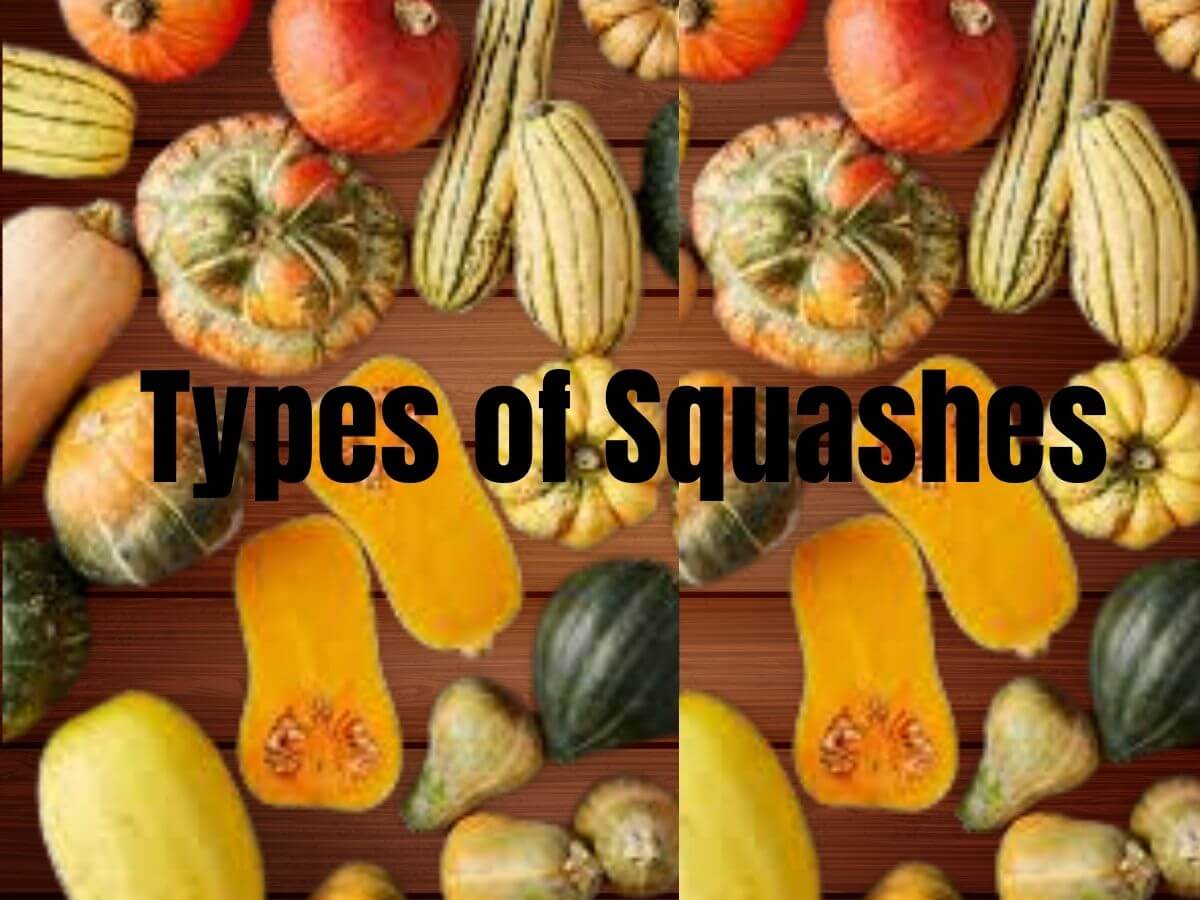
Squash is one of the most versatile and nutritious vegetables you can add to your kitchen. Whether you’re shopping at a farmers market or your local grocery store, you’ve probably noticed the amazing variety of squashes available throughout the year. From sweet butternut to delicate delicata, each type of squash brings its own unique flavor, texture, and nutritional benefits to your table.
In this comprehensive guide, we’ll explore the different types of squashes, how to cook them, their health benefits, and answer all your burning questions about these wonderful vegetables. Whether you’re a beginner cook or an experienced chef, you’ll find valuable information to help you make the most of every squash variety.
What Type of Fruit is Squash?
Before we dive into the varieties, let’s clear up a common confusion. Botanically speaking, squash is actually a fruit because it develops from the flower of the plant and contains seeds. However, in culinary terms, we treat squash as a vegetable because of its savory flavor and how we use it in cooking.
Squash belongs to the Cucurbitaceae family, which also includes cucumbers, melons, and gourds. There are two main categories of squash: summer squash and winter squash. Summer squashes have thin, edible skins and are harvested when immature. Winter squashes have thick, hard skins and are harvested when fully mature.
How Many Types of Squashes Are There?
There are hundreds of squash varieties grown worldwide, but they generally fall into two main categories with dozens of popular varieties in each. Summer squashes include zucchini, yellow squash, and pattypan squash. Winter squashes include butternut, acorn, spaghetti squash, and many more. In this guide, we’ll focus on the most common and delicious varieties you’re likely to encounter.
Different Types of Squashes: A Detailed Review
1. Butternut Squash
Appearance: Butternut squash has a distinctive tan or beige color with a bell shape at the bottom and a long neck. It typically weighs between two to five pounds.
Taste and Texture: This squash offers a sweet, nutty flavor that becomes even sweeter when roasted. The flesh is smooth, creamy, and dense, making it perfect for soups and purees.
Cooking Methods: You can roast, steam, bake, or puree butternut squash. It’s excellent in soups, pasta dishes, and as a side dish. To prepare, simply peel off the tough skin, remove the seeds, and cut into cubes.
Best Uses: Butternut squash soup, roasted butternut squash with herbs, butternut squash risotto, mashed butternut squash.
2. Acorn Squash
Appearance: Acorn squash is small and round with deep ridges, resembling an acorn. It comes in dark green, orange, or white varieties.
Taste and Texture: It has a mildly sweet flavor with a slightly fibrous texture. The flesh is yellow-orange and becomes tender when cooked.
Cooking Methods: Acorn squash is often halved and baked with butter and brown sugar. You can also stuff it with grains, meat, or vegetables.
Best Uses: Baked acorn squash halves, stuffed acorn squash, roasted acorn squash wedges.
3. Spaghetti Squash
Appearance: This oval-shaped squash has a pale yellow exterior and can weigh up to eight pounds.
Taste and Texture: Spaghetti squash has a mild, slightly sweet flavor. What makes it unique is that when cooked, the flesh separates into spaghetti-like strands.
Cooking Methods: Cut in half, remove seeds, and bake face-down until tender. Then use a fork to scrape out the noodle-like strands.
Best Uses: Low-carb pasta alternative, spaghetti squash with marinara sauce, spaghetti squash boats, Asian-style spaghetti squash.
4. Delicata Squash
Appearance: Delicata squash is oblong with cream-colored skin and green or orange stripes. It’s smaller than most winter squashes, about six to eight inches long.
Taste and Texture: This squash has a sweet, corn-like flavor with a creamy texture. The skin is thin and edible when cooked.
Cooking Methods: You can roast, stuff, or sauté delicata squash. No need to peel it since the skin becomes tender when cooked.
Best Uses: Roasted delicata squash rings, stuffed delicata squash, delicata squash salad, sautéed delicata squash with sage.
5. Buttercup Squash
Appearance: Buttercup squash is round and squat with dark green skin and a distinctive “button” on the blossom end. It often has gray stripes.
Taste and Texture: It has a sweet, rich flavor similar to sweet potato with a smooth, creamy texture. The flesh is deep orange.
Cooking Methods: You can bake, steam, or mash buttercup squash. It works wonderfully in pies, soups, and as a simple side dish.
Best Uses: Buttercup squash soup, mashed buttercup squash, buttercup squash pie, roasted buttercup squash.
6. Types of Squash Yellow (Summer Squash)
Yellow Crookneck Squash: This summer squash has a curved neck and bright yellow skin with a bumpy texture. It has a mild, slightly sweet flavor.
Yellow Straightneck Squash: Similar to crookneck but with a straight shape and smooth skin.
Taste and Texture: Both types have tender, edible skin and a soft, moist flesh with a delicate flavor.
Cooking Methods: Sauté, grill, roast, or eat raw in salads. Summer squashes cook quickly and don’t need peeling.
Best Uses: Grilled yellow squash, squash casserole, sautéed squash with onions, raw in vegetable platters.
7. Types of Squash White
White Acorn Squash: A pale ivory version of traditional acorn squash with similar sweet flavor.
White Patty Pan Squash: A small, flat, scalloped summer squash that looks like a flying saucer.
Taste and Texture: White squashes generally have a mild, slightly sweet flavor with tender flesh.
Cooking Methods: Treat white squashes the same as their colored counterparts. They’re perfect for grilling, roasting, or stuffing.
Best Uses: Stuffed patty pan squash, grilled white squash, roasted white acorn squash.
8. Kabocha Squash
Appearance: Kabocha has dark green skin (sometimes with lighter green stripes) and a squat, pumpkin-like shape.
Taste and Texture: This Japanese squash has a sweet, nutty flavor similar to butternut but with a fluffier, drier texture.
Cooking Methods: You can roast, steam, or use kabocha in soups and curries. The skin is edible when cooked.
Best Uses: Japanese pumpkin curry, roasted kabocha wedges, kabocha tempura, kabocha soup.
9. Hubbard Squash
Appearance: Large and bumpy with a teardrop shape. It can be blue-gray, orange, or green and often weighs 10-15 pounds.
Taste and Texture: Sweet and rich with a grainy texture. The flesh is deep orange or yellow.
Cooking Methods: Due to its size and hard shell, it’s best to ask your grocer to cut it for you. Then roast or steam pieces.
Best Uses: Hubbard squash pie, roasted Hubbard squash, Hubbard squash soup.
What Kind of Squash is Kalabasa?
Kalabasa is the Filipino term for squash, and it typically refers to a variety similar to kabocha squash or calabaza. In the Philippines, kalabasa is a staple ingredient used in many traditional dishes. It has green or orange skin with sweet, orange flesh. Kalabasa is commonly used in Filipino dishes like Ginataang Kalabasa (squash cooked in coconut milk) and is often added to vegetable stews and soups.
What is the Most Delicious Squash?
The “most delicious” squash is subjective and depends on personal preference, but many food lovers and chefs consider these varieties among the tastiest:
Butternut Squash: Consistently rated as one of the best-tasting squashes due to its sweet, nutty flavor and creamy texture.
Kabocha Squash: Beloved for its exceptionally sweet taste and fluffy texture, often described as the perfect combination of butternut squash and sweet potato.
Delicata Squash: Prized for its sweet, corn-like flavor and convenient edible skin.
Buttercup Squash: Known for its rich, sweet flavor that works beautifully in both savory and sweet dishes.
Ultimately, the best squash for you depends on how you plan to use it and what flavors you enjoy most.
How to Cook Different Types of Squashes
Roasting
Roasting brings out the natural sweetness in squash and creates a caramelized exterior.
Method: Preheat oven to 400°F. Cut squash in half or into pieces, remove seeds, drizzle with olive oil, and season with salt and pepper. Place cut-side down on a baking sheet and roast for 30-45 minutes until tender.
Best for: Butternut, acorn, delicata, kabocha, buttercup squash.
Steaming
Steaming preserves nutrients and creates a tender texture without added fat.
Method: Cut squash into chunks, place in a steamer basket over boiling water, cover, and steam for 10-20 minutes until fork-tender.
Best for: Butternut, buttercup, kabocha squash.
Sautéing
Quick cooking method perfect for tender summer squashes.
Method: Heat oil or butter in a skillet over medium-high heat. Add sliced squash and cook for 5-8 minutes, stirring occasionally, until golden and tender.
Best for: Yellow squash, zucchini, patty pan squash.
Grilling
Grilling adds smoky flavor and beautiful char marks.
Method: Slice squash lengthwise or into rounds, brush with oil, and grill over medium-high heat for 3-4 minutes per side.
Best for: Summer squashes, delicata squash (sliced into rings).
Making Squash Puree
Perfect for soups, sauces, and baking.
Method: Roast or steam squash until very soft, then blend in a food processor until smooth. Add butter or cream for extra richness.
Best for: Butternut, buttercup, kabocha squash.
Stuffing
A beautiful presentation that makes squash the star of the meal.
Method: Halve squash, remove seeds, and partially bake. Fill with your choice of stuffing (grains, meat, vegetables, cheese) and continue baking until everything is cooked through.
Best for: Acorn, delicata, buttercup squash.
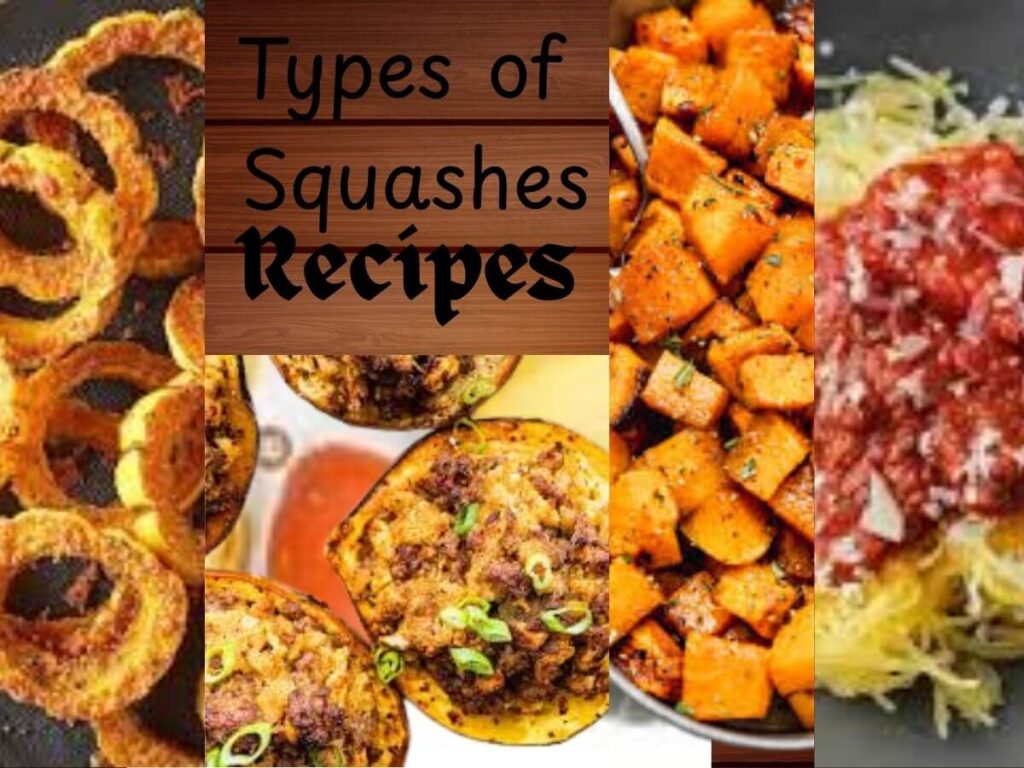
Different Types of Squashes Recipes
Easy Roasted Butternut Squash
Peel and cube one butternut squash. Toss with olive oil, salt, pepper, and a pinch of cinnamon. Roast at 400°F for 30-35 minutes until caramelized and tender.
Stuffed Acorn Squash
Halve and seed two acorn squashes. Brush with butter and bake at 375°F for 40 minutes. Fill with a mixture of cooked quinoa, dried cranberries, chopped pecans, and goat cheese. Bake for another 10 minutes.
Spaghetti Squash with Marinara
Cut spaghetti squash in half lengthwise, remove seeds, and bake cut-side down at 400°F for 40 minutes. Scrape out strands with a fork and top with your favorite marinara sauce and parmesan cheese.
Delicata Squash Rings
Slice delicata squash into half-inch rings, remove seeds, toss with olive oil and maple syrup, and roast at 425°F for 20-25 minutes until caramelized.
Buttercup Squash Soup
Roast cubed buttercup squash with onions and garlic. Blend with vegetable broth until smooth, then stir in coconut milk and season with curry powder, salt, and pepper.
Grilled Summer Squash Salad
Grill sliced yellow squash and zucchini until charred. Toss with cherry tomatoes, fresh basil, mozzarella, and balsamic vinaigrette.
Yellow squash bread
Yellow squash bread is a quick bread made with grated fresh yellow squash. The yellow squash adds subtle flavor while keeping the bread moist for days.
What Are the Different Types of Squashes Juice?
While squash juice isn’t as common as other vegetable juices, there are several delicious options:
Butternut Squash Juice: Sweet and creamy, often combined with apple, carrot, or ginger for a nutritious drink.
Yellow Squash Juice: Mild and refreshing, best mixed with cucumber, celery, and lemon.
Bottle Gourd Juice (Lauki): A type of squash popular in Indian cuisine, known for its cooling properties and health benefits.
Zucchini Juice: Light and hydrating, often combined with green apple and mint.
These juices are packed with vitamins, minerals, and antioxidants. They’re best consumed fresh and can be made with a juicer or blender (strain if you prefer smoother texture).
Nutritional Benefits of Squash
Squash is not just delicious but also incredibly nutritious. Here’s why you should include more squash in your diet:
Rich in Vitamins
Squash is an excellent source of vitamin A (from beta-carotene), which supports eye health, immune function, and skin health. Winter squashes are particularly high in this nutrient, with one cup of butternut squash providing over 450% of your daily vitamin A needs. Squash also contains vitamin C, which boosts immunity and promotes collagen production.
High in Fiber
Both summer and winter squashes provide dietary fiber, which aids digestion, helps maintain healthy cholesterol levels, and keeps you feeling full longer. This makes squash an excellent choice for weight management.
Low in Calories
Most squashes are low in calories but high in volume, making them perfect for satisfying meals without excessive calories. One cup of cooked butternut squash contains only about 80 calories.
Packed with Antioxidants
Squash contains powerful antioxidants including beta-carotene, vitamin C, and manganese. These compounds help protect your cells from damage and may reduce the risk of chronic diseases.
Good Source of Potassium
Potassium helps regulate blood pressure and supports heart health. Winter squashes are particularly good sources of this essential mineral.
Contains Healthy Carbohydrates
Winter squashes provide complex carbohydrates that give you sustained energy without causing blood sugar spikes.
Supports Eye Health
The high levels of lutein and zeaxanthin in squash support eye health and may help prevent age-related macular degeneration.
FAQs About Different Types of Squashes
Can you eat squash skin?
It depends on the variety. Summer squashes like zucchini and yellow squash have tender, edible skin. For winter squashes, delicata and kabocha have edible skin when cooked, but butternut, acorn, and buttercup squashes have tough skin that’s better removed before eating.
How do you store squash?
A: Summer squashes should be refrigerated and used within a week. Winter squashes can be stored in a cool, dry place for several months. Once cut, wrap squash tightly and refrigerate for up to five days.
Are squash seeds edible?
Yes! Squash seeds can be roasted just like pumpkin seeds. Clean them, toss with oil and salt, and roast at 300°F for 30-40 minutes until golden and crunchy.
What’s the difference between squash and pumpkin?
Pumpkins are actually a type of winter squash. The main difference is that pumpkins are usually rounder and have thicker, more ribbed skin. Culinarily, pumpkins are often used for pies and jack-o’-lanterns, while other squashes are more commonly used in savory dishes.
Can you freeze cooked squash?
Yes! Cooked squash freezes well. Puree or cube cooked squash, place in freezer-safe containers or bags, and freeze for up to three months. Thaw in the refrigerator before using.
Is squash keto-friendly?
Summer squashes like zucchini and yellow squash are very low in carbs and excellent for keto diets. Winter squashes are higher in carbs, so they should be consumed in moderation on a keto diet.
How can you tell when squash is ripe?
For summer squash, pick when small to medium-sized with glossy, unblemished skin. For winter squash, look for hard skin, dull appearance, and a dry stem. The squash should feel heavy for its size.
What’s the easiest way to cut hard squash?
Microwave the whole squash for 2-3 minutes to soften the skin slightly. This makes cutting much easier and safer. Always use a sharp, heavy knife and cut on a stable surface.
Conclusion
The wonderful world of squash offers endless possibilities for delicious and nutritious meals. From the sweet, creamy texture of butternut squash to the unique spaghetti-like strands of spaghetti squash, each variety brings something special to your table. Whether you’re roasting, steaming, grilling, or stuffing, there’s a type of squash and cooking method perfect for every taste and occasion.
Remember that squash is not only versatile and delicious but also packed with vitamins, minerals, fiber, and antioxidants that support your overall health. By incorporating different types of squash into your regular meal rotation, you’ll enjoy varied flavors and textures while nourishing your body with essential nutrients.
Don’t be intimidated by those hard-skinned winter squashes or unfamiliar varieties at the market. With the tips and techniques in this guide, you’re now equipped to confidently select, prepare, and cook any type of squash you encounter. Start experimenting with these amazing vegetables today, and discover your new favorite squash variety and recipe!
Happy cooking, and enjoy exploring the delicious diversity of squashes!